Gold Toning Treatment: Benefits, Procedure & Results
Gold toning treatment is a gentle skin brightening laser for sensitive and tanned skin. Learn benefits, procedure steps, results & FAQs. Book now in Bangalore.
Read More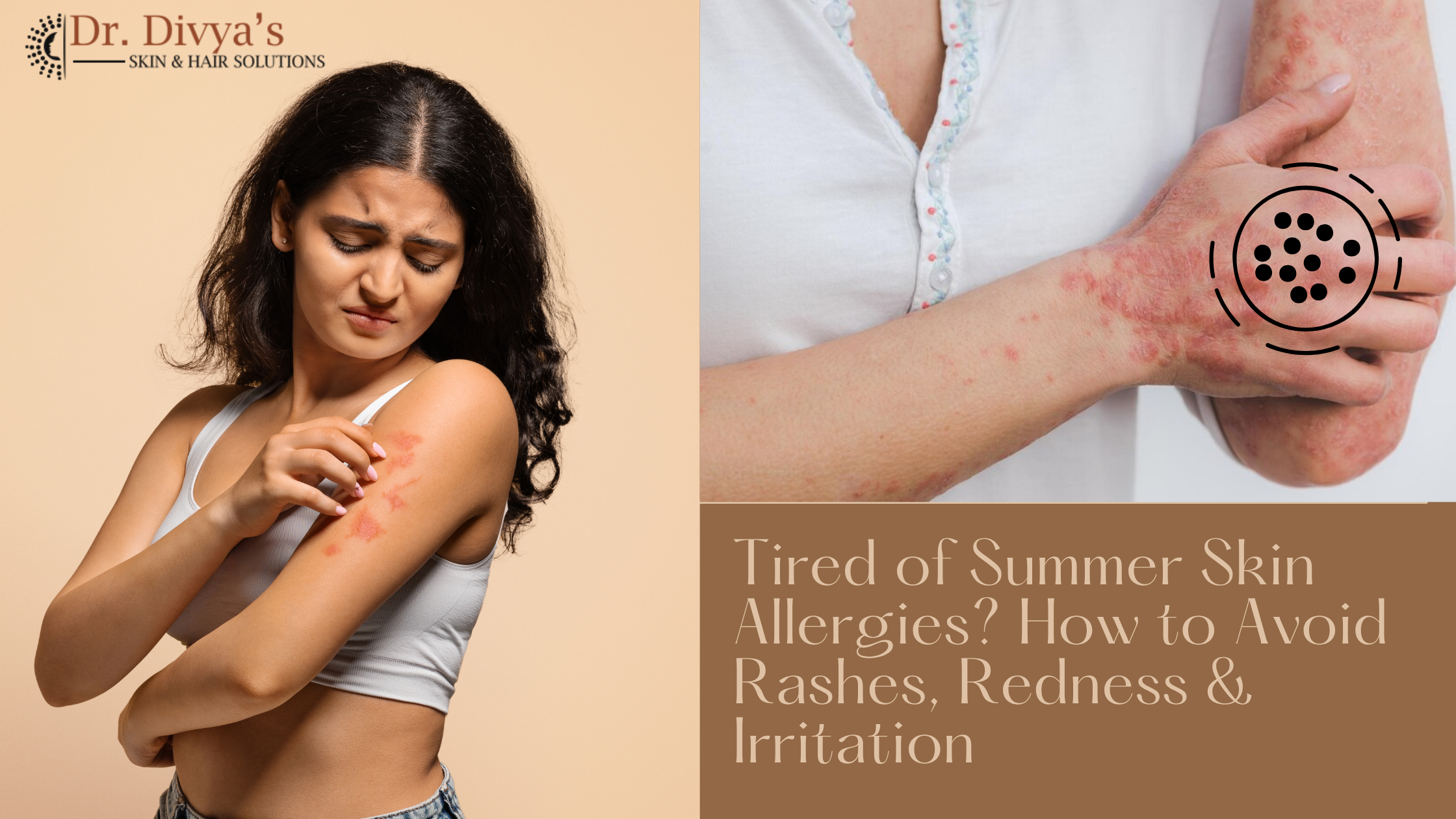
As temperatures rise and humidity peaks, many of us find ourselves dealing with an uncomfortable reality-itchy rashes, unexplained redness, and skin irritation. If your skin flares up the moment the sun does, you're not alone.
Summer skin allergies are a common concern,especially in cities like Bangalore, where the heat and pollution can make things worse. The good news? With the right skincare habits and a little dermatological insight, you can prevent these flare-ups and keep your skin healthy all summer long.
Understanding the triggers is the first step to preventing allergic reactions. Some of the most common causes include:
Excess sweat blocking pores, leading to prickly heat or rashes
Sun exposure, which can trigger photosensitivity or sunburn
Fungal infections, especially in areas where sweat collects (like underarms or neck)
Pollen and dust, which tend to increase in dry heat
Cosmetic products reacting with heat or sweat
Here are some simple, science-backed ways to reduce the risk of skin allergies during summer:
1. Switch to Breathable, Cotton Clothing
Tight or synthetic clothes can trap sweat and irritate the skin. Go for loose, cotton fabrics that allow your skin to breathe.
2. Shower Twice a Day (But Gently!)
Sweat and pollutants can cling to your skin. A quick rinse with a mild, fragrance-free cleanser helps remove irritants without stripping away natural oils.
3. Use a Broad-Spectrum Sunscreen Daily
UV exposure can cause sun rashes and inflammation, especially if you have sensitive skin. Use a dermatologist-recommended SPF 30+ sunscreen, even if you're staying mostly indoors.
4. Keep Your Skin Moisturized
Dry skin is more likely to react to heat. Use a lightweight, non-comedogenic moisturizer to maintain the skin barrier.
5. Avoid Over-Exfoliation
You may be tempted to scrub away sweat and grime, but too much exfoliation can damage the skin's barrier and make it more reactive. Stick to once a week if you must exfoliate.
6. Stay Hydrated (Inside & Out)
Drink plenty of water and eat water-rich fruits like watermelon and cucumber. Hydration plays a big role in your skin's ability to recover and protect itself.
7. Watch Out for Heat Rash
Tiny red bumps on your chest, neck, or back? That's probably a heat rash. Use a mild calamine lotion or cool compresses, and avoid heavy creams or ointments that can clog pores.
Sometimes, no matter what you do, skin reactions persist or worsen. If you notice:
Blisters, peeling, or intense burning sensation
Skin that doesn't heal in a few days
Rashes spreading or recurring often
To support your summer skincare routine, look for:
Gentle Gcleansers (Syndet-based, pH-balanced)
Gel-based moisturizers
Mineral or hybrid sunscreens
Non-comedogenic makeup (if you wear it at all)
Ask your dermatologist to recommend products best suited to your unique skin needs.
Skin allergies and irritation don't have to be your summer norm. With a little extra care, some smart swaps in your routine, and guidance from a trusted dermatologist, your skin can stay calm, clear, and comfortable even in peak heat.
Need help with your summer skin concerns? Book an appointment today! Visit Dr. Divya Sharma - Certified dermatologist in Whitefield, Bangalore - for expert diagnosis and personalized treatment plans. Know more.
As temperatures rise and humidity peaks, many of us find ourselves dealing with an uncomfortable reality-itchy rashes, unexplained redness, and skin irritation. If your skin flares up the moment the sun does, you're not alone.
Summer skin allergies are a common concern,especially in cities like Bangalore, where the heat and pollution can make things worse. The good news? With the right skincare habits and a little dermatological insight, you can prevent these flare-ups and keep your skin healthy all summer long.
Understanding the triggers is the first step to preventing allergic reactions. Some of the most common causes include:
Excess sweat blocking pores, leading to prickly heat or rashes
Sun exposure, which can trigger photosensitivity or sunburn
Fungal infections, especially in areas where sweat collects (like underarms or neck)
Pollen and dust, which tend to increase in dry heat
Cosmetic products reacting with heat or sweat
Here are some simple, science-backed ways to reduce the risk of skin allergies during summer:
1. Switch to Breathable, Cotton Clothing
Tight or synthetic clothes can trap sweat and irritate the skin. Go for loose, cotton fabrics that allow your skin to breathe.
2. Shower Twice a Day (But Gently!)
Sweat and pollutants can cling to your skin. A quick rinse with a mild, fragrance-free cleanser helps remove irritants without stripping away natural oils.
3. Use a Broad-Spectrum Sunscreen Daily
UV exposure can cause sun rashes and inflammation, especially if you have sensitive skin. Use a dermatologist-recommended SPF 30+ sunscreen, even if you're staying mostly indoors.
4. Keep Your Skin Moisturized
Dry skin is more likely to react to heat. Use a lightweight, non-comedogenic moisturizer to maintain the skin barrier.
5. Avoid Over-Exfoliation
You may be tempted to scrub away sweat and grime, but too much exfoliation can damage the skin's barrier and make it more reactive. Stick to once a week if you must exfoliate.
6. Stay Hydrated (Inside & Out)
Drink plenty of water and eat water-rich fruits like watermelon and cucumber. Hydration plays a big role in your skin's ability to recover and protect itself.
7. Watch Out for Heat Rash
Tiny red bumps on your chest, neck, or back? That's probably a heat rash. Use a mild calamine lotion or cool compresses, and avoid heavy creams or ointments that can clog pores.
Sometimes, no matter what you do, skin reactions persist or worsen. If you notice:
Blisters, peeling, or intense burning sensation
Skin that doesn't heal in a few days
Rashes spreading or recurring often
To support your summer skincare routine, look for:
Gentle Gcleansers (Syndet-based, pH-balanced)
Gel-based moisturizers
Mineral or hybrid sunscreens
Non-comedogenic makeup (if you wear it at all)
Ask your dermatologist to recommend products best suited to your unique skin needs.
Skin allergies and irritation don't have to be your summer norm. With a little extra care, some smart swaps in your routine, and guidance from a trusted dermatologist, your skin can stay calm, clear, and comfortable even in peak heat.
Need help with your summer skin concerns? Book an appointment today! Visit Dr. Divya Sharma - Certified dermatologist in Whitefield, Bangalore - for expert diagnosis and personalized treatment plans. Know more.
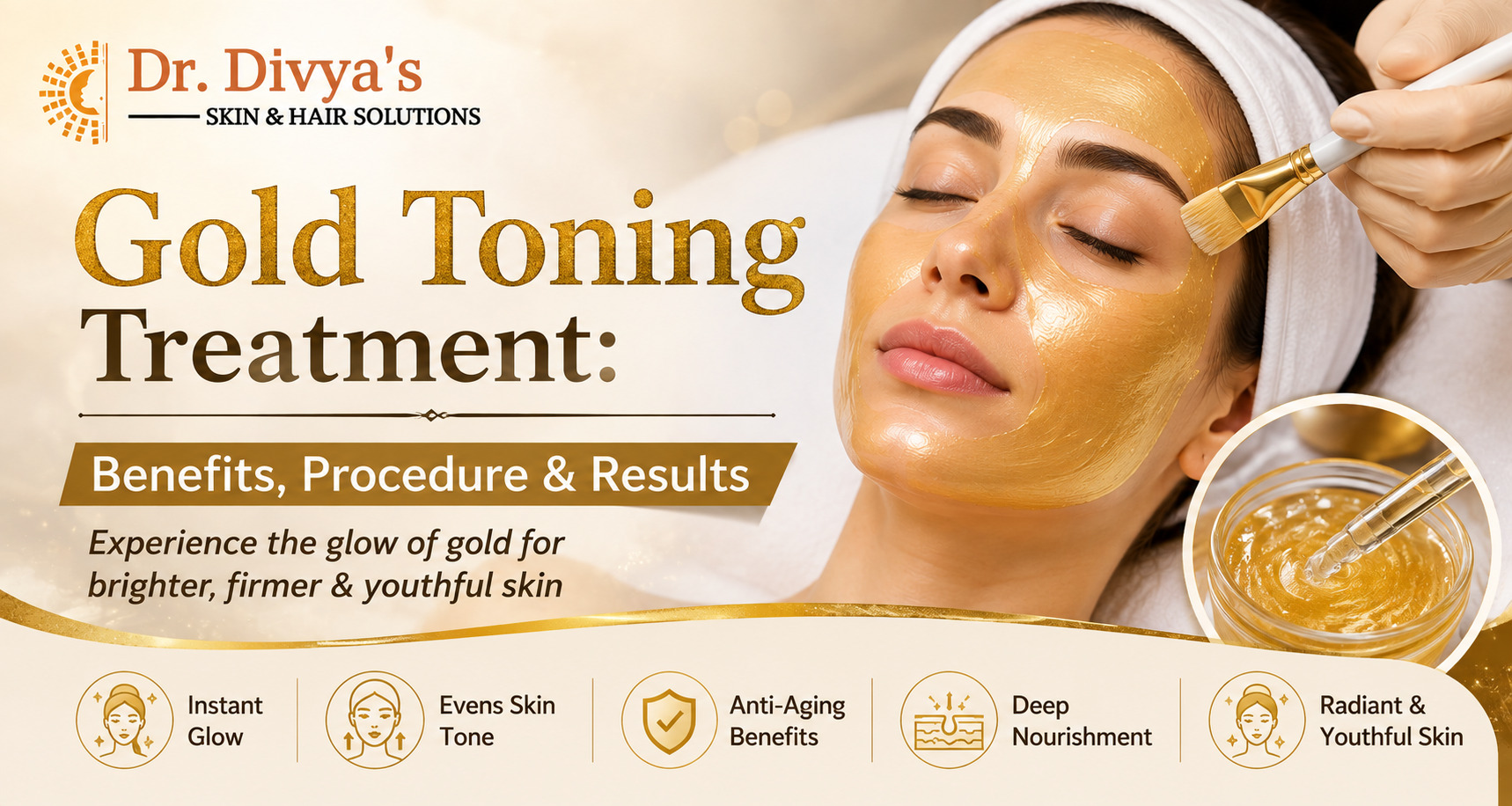
Gold toning treatment is a gentle skin brightening laser for sensitive and tanned skin. Learn benefits, procedure steps, results & FAQs. Book now in Bangalore.
Read More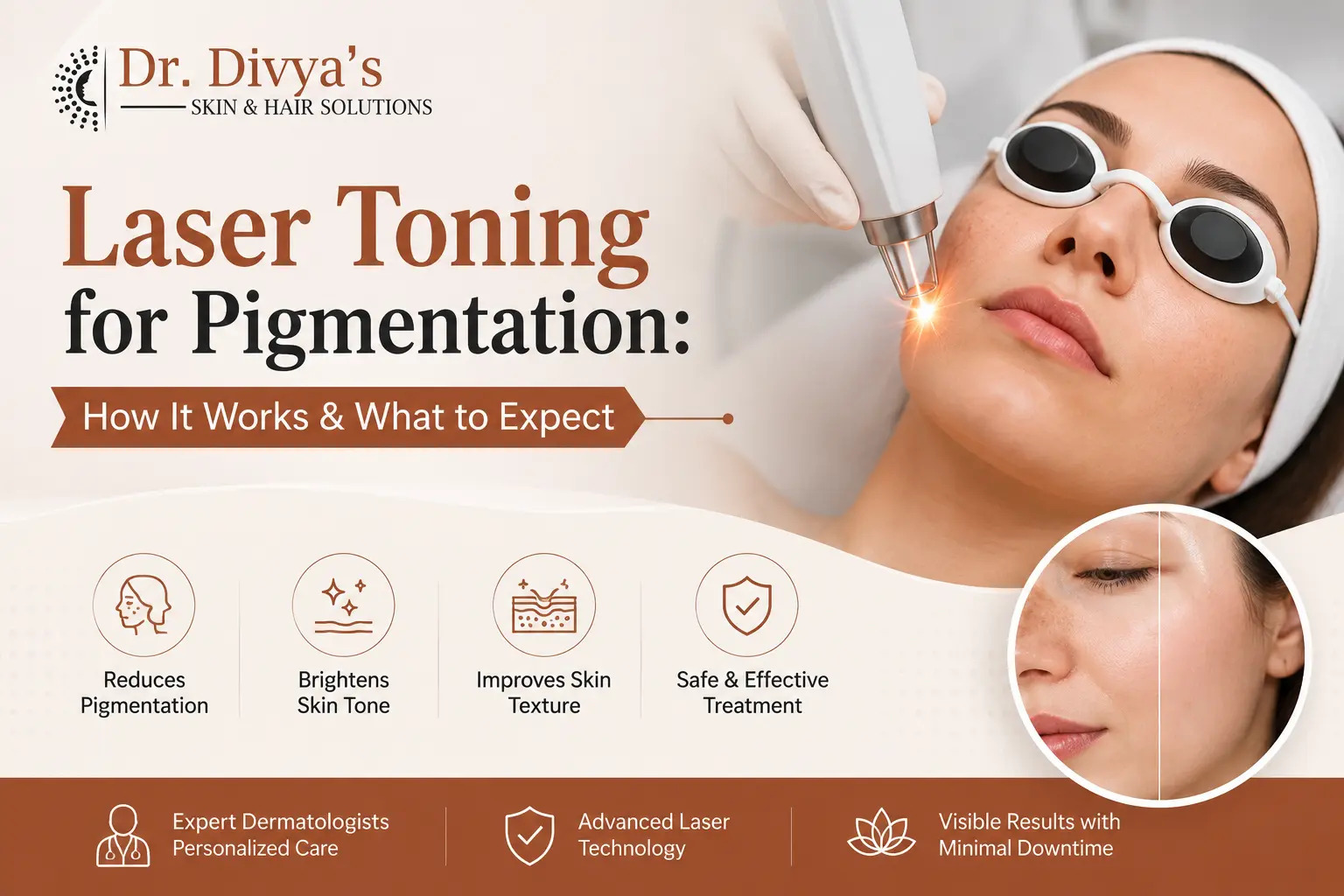
If dark patches or uneven skin tone have been bothering you, laser toning could be the answer. This post breaks down how it works, what it feels like, how many sessions you will need, and what to expect after each visit. No jargon. Just real talk.
Read More
Laser tattoo removal breaks ink particles for natural elimination. Learn how it works, number of sessions needed, pain options, aftercare & risks.
Read More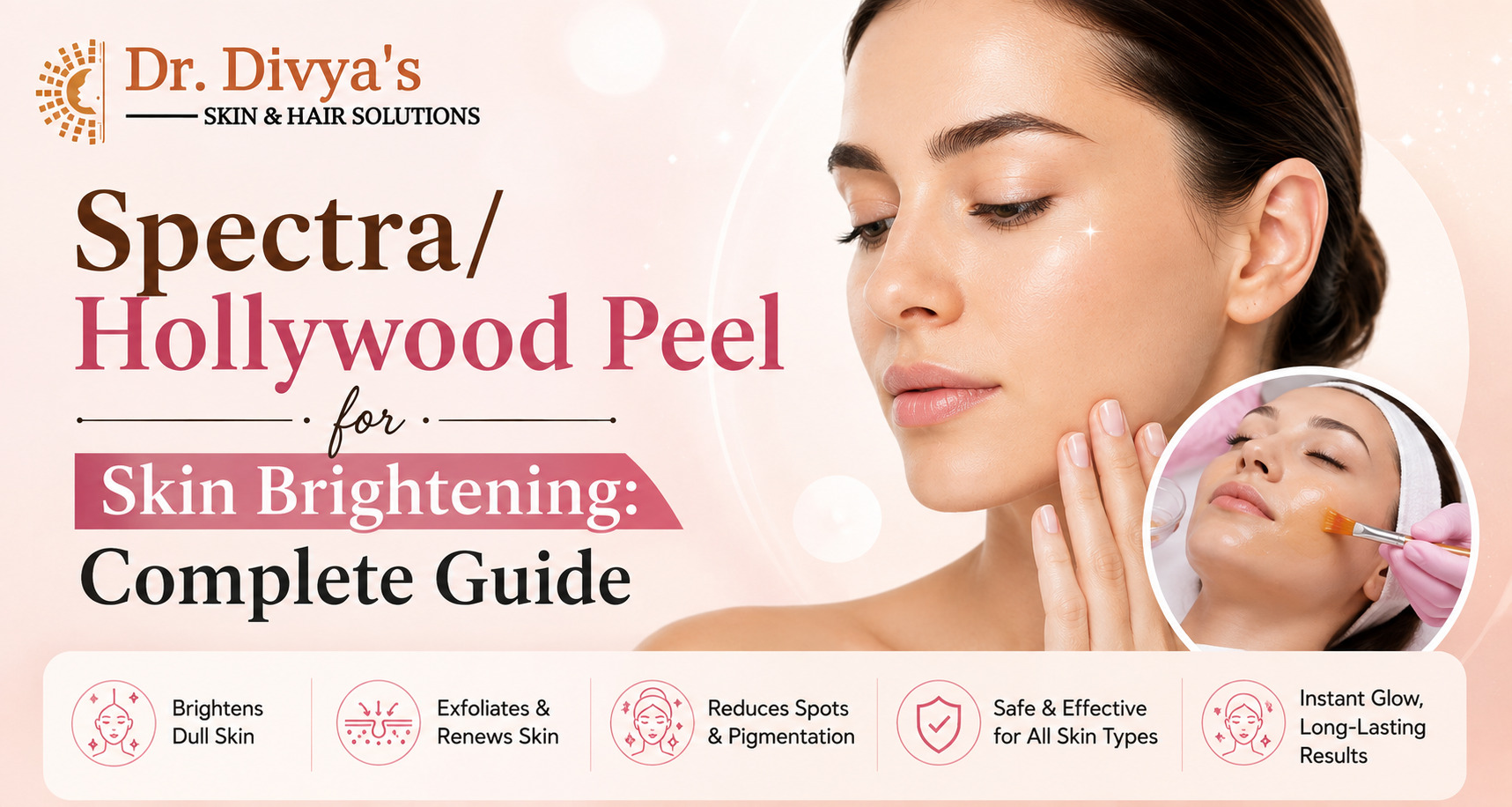
This complete guide will answer all your questions. Whether you are looking for an instant glow facial treatment or want to understand the Hollywood peel cost and benefits, this article covers everything you need to know.
Read More
This article walks you through everything you need to know about skin pigmentation, what causes it, the different types, the best treatment options available in Bangalore, and how to prevent it.
Read More