Gold Toning Treatment: Benefits, Procedure & Results
Gold toning treatment is a gentle skin brightening laser for sensitive and tanned skin. Learn benefits, procedure steps, results & FAQs. Book now in Bangalore.
Read More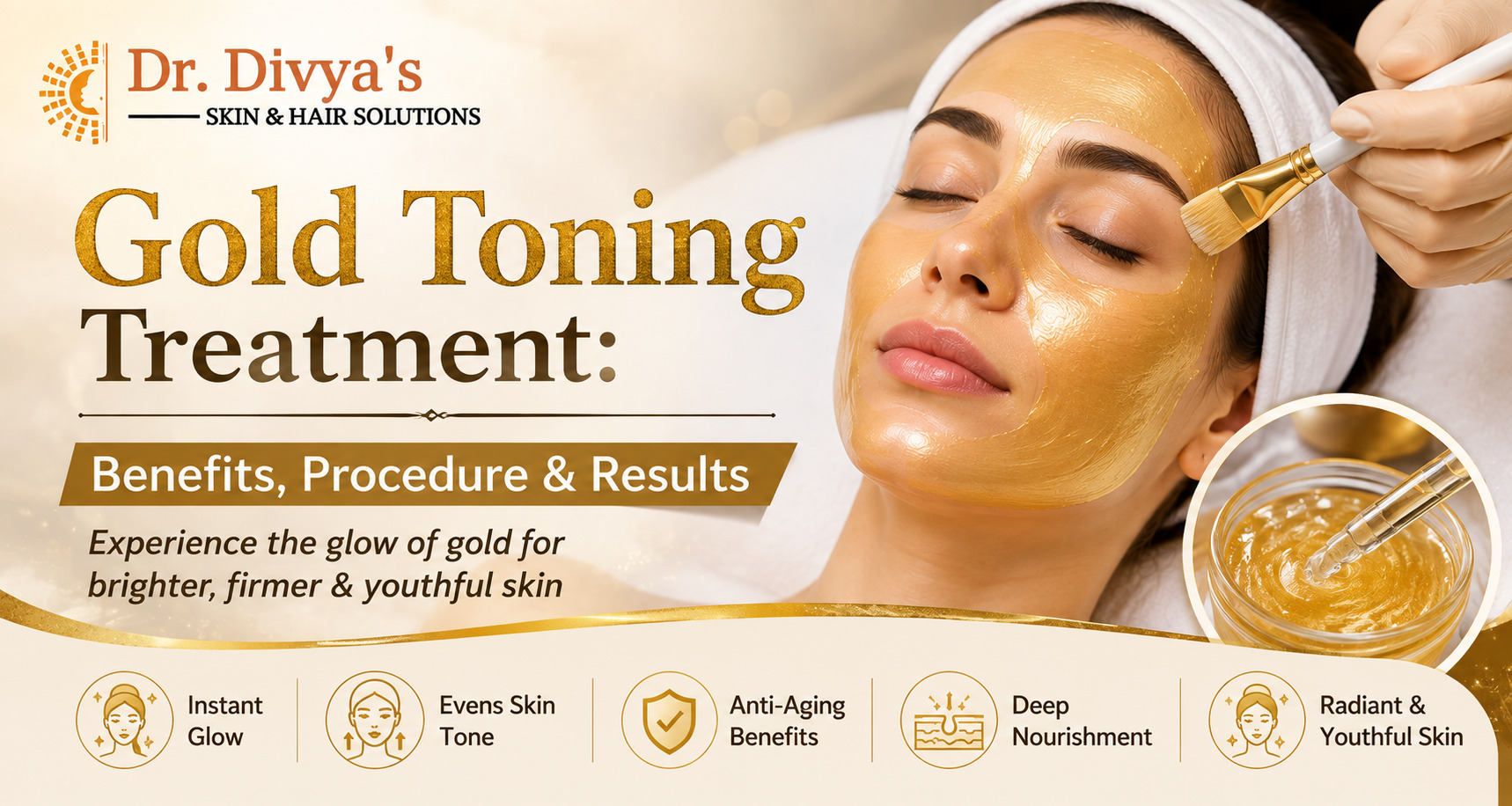
Skin concerns like uneven tone, mild pigmentation, and dullness are something most of us deal with at some point. While there are plenty of treatments out there, gold toning has quietly built a loyal following — especially among people with sensitive or tanned skin who find regular lasers too harsh.
If you've been curious about this treatment but aren't sure what it actually involves, this guide breaks it all down for you.
Gold toning is a non-invasive skin brightening laser treatment that uses a specific wavelength of light to target melanin deposits in the skin. Unlike aggressive laser procedures, gold toning works gently — it delivers controlled energy to break down excess pigment without causing significant irritation or downtime.
The treatment gets its name from the golden-yellow light it emits during the procedure. This wavelength is specifically chosen because it interacts with melanin in a way that's effective yet mild on the skin barrier. It's particularly popular in cities like Bangalore, where year-round sun exposure leads to persistent tanning and pigmentation issues. Many clinics offering Spectra gold toning in Bangalore have seen a steady rise in demand, particularly from individuals who've had negative experiences with stronger laser treatments.
In simple terms, gold toning is the middle ground between doing nothing about pigmentation and going all-in with a powerful laser. It gives visible results without the recovery period or risk of post-inflammatory darkening that sometimes comes with more aggressive options.
This is one of the most common questions people ask, and understandably so — the names sound similar, and both involve lasers. But there are meaningful differences worth understanding.
Laser toning typically uses a 1064nm Nd:YAG laser at higher fluences. It's effective for deeper pigmentation and can deliver dramatic results, but it also carries a higher risk of side effects like rebound pigmentation, redness, and discomfort during the session. It's not always the first choice for someone with a sensitive complexion or reactive skin.
Gold toning, on the other hand, uses a lower, more controlled energy setting. The focus is on gradual improvement rather than aggressive correction. This makes gold toning vs laser toning a conversation about trade-offs — speed and intensity versus safety and gentleness.
Here's a practical way to think about it: if your skin is relatively healthy but looks dull, uneven, or mildly tanned, gold toning is likely the better starting point. If you're dealing with stubborn, deep-set pigmentation, a dermatologist might recommend laser toning or a combination approach.
Neither is universally "better" — it depends on your skin type, concerns, and tolerance for downtime. A good dermatologist will guide you based on what your skin actually needs rather than pushing one option over another.
Gold toning isn't designed for everyone, and that's actually a good thing. Knowing whether you're a suitable candidate helps set realistic expectations and avoids unnecessary disappointment.
Ideal candidates include:
Who should probably avoid it:
A thorough consultation with a dermatologist is essential before starting. They'll assess your skin, review your history, and let you know whether gold toning is the right call or if something else would serve you better.
One of the reasons people gravitate toward gold toning is how straightforward the procedure is. There's no surgery, no needles, and minimal preparation involved. Here's what a typical session looks like:
Step 1: Consultation and Skin Assessment
Before anything happens, your dermatologist examines your skin under a Wood's lamp or simply with the naked eye to understand the type and depth of pigmentation. They'll also ask about your skincare routine, any recent treatments, and medications. This step matters because it determines the settings used during the actual procedure.
Step 2: Cleansing
The treatment area is thoroughly cleansed to remove makeup, sunscreen, dirt, and oils. Any residue on the skin can interfere with how the laser light is absorbed, so this step isn't just ceremonial — it's functional.
Step 3: Eye Protection
Both you and the practitioner wear protective eyewear. The laser light is concentrated, and even though gold toning is gentle, protecting your eyes is non-negotiable.
Step 4: Laser Application
The practitioner uses a handheld laser device to deliver pulses of golden-yellow light across the treatment area. You'll feel a mild warmth or tingling — most people describe it as tolerable and far less intense than traditional laser toning. A single session typically takes 15 to 30 minutes depending on the size of the area being treated.
Step 5: Cooling and Post-Treatment Care
After the laser passes are complete, a soothing gel or calming serum may be applied to reduce any mild warmth or redness. Some clinics use a cold air device during the procedure itself for added comfort.
Step 6: Sunscreen Application
This is mandatory. Your skin is temporarily more vulnerable to UV damage after any laser treatment. A broad-spectrum sunscreen with SPF 50 or higher is applied before you leave the clinic, and you'll be advised to reapply it consistently in the days following.
The entire process — from walking in to walking out — usually takes under 45 minutes. Most people return to their normal activities immediately, though you might notice mild redness for a few hours.
Let's be honest — no treatment delivers overnight magic, and gold toning is no exception. But the results are real and cumulative.
After the first session: Most people notice their skin looks slightly brighter and feels smoother. Don't expect a dramatic transformation yet — the first session is more about initiating the process than delivering the final outcome.
After 3 to 4 sessions: This is where things start to become noticeable. Uneven skin tone begins to even out, surface tan fades, and the overall complexion looks healthier. People around you might start commenting that you look refreshed.
After 6 to 8 sessions: For optimal results, most dermatologists recommend a course of 6 to 8 sessions spaced 2 to 4 weeks apart. By this point, pigmentation is significantly reduced, skin texture improves, and the brightness is sustained.
Long-term maintenance: Like any skin treatment, results aren't permanent unless you maintain them. Periodic maintenance sessions every 2 to 3 months, combined with consistent sunscreen use and a good skincare routine, help preserve the results.
It's worth noting that results vary based on individual factors — skin type, the severity of pigmentation, lifestyle habits, and sun exposure all play a role. Someone who spends a lot of time outdoors without adequate sun protection will likely see slower and less lasting results compared to someone who follows a diligent skincare regimen.
To summarise why this treatment has earned its reputation:
For anyone in Bangalore exploring skin brightening laser options, Spectra gold toning in Bangalore clinics offers a well-balanced approach — effective enough to make a visible difference, gentle enough to not compromise your skin's health.
Gold toning is generally better suited for people with sensitive skin, mild to moderate pigmentation, or those who have experienced adverse reactions to higher-energy laser treatments. If your primary concern is dullness, uneven tone, or surface tanning rather than deep-set pigmentation, gold toning offers a safer and more comfortable path to improvement. That said, the decision should always be made in consultation with a dermatologist who can evaluate your specific skin condition.
Yes — that's actually one of its biggest advantages. Gold toning uses lower energy settings and a wavelength that's designed to be gentle on the skin barrier. People with sensitive, rosacea-prone, or easily reactive skin often find gold toning tolerable where other lasers have caused redness, swelling, or darkening. However, a patch test and proper consultation are still recommended before beginning a full course of treatment.
Most dermatologists recommend 6 to 8 sessions for visible, long-lasting results, with each session spaced about 2 to 4 weeks apart. Some people notice improvement after just 2 or 3 sessions, but the full benefit typically becomes apparent toward the end of the treatment course. After completing the initial series, maintenance sessions every 2 to 3 months help sustain the results over time.
Skin concerns like uneven tone, mild pigmentation, and dullness are something most of us deal with at some point. While there are plenty of treatments out there, gold toning has quietly built a loyal following — especially among people with sensitive or tanned skin who find regular lasers too harsh.
If you've been curious about this treatment but aren't sure what it actually involves, this guide breaks it all down for you.
Gold toning is a non-invasive skin brightening laser treatment that uses a specific wavelength of light to target melanin deposits in the skin. Unlike aggressive laser procedures, gold toning works gently — it delivers controlled energy to break down excess pigment without causing significant irritation or downtime.
The treatment gets its name from the golden-yellow light it emits during the procedure. This wavelength is specifically chosen because it interacts with melanin in a way that's effective yet mild on the skin barrier. It's particularly popular in cities like Bangalore, where year-round sun exposure leads to persistent tanning and pigmentation issues. Many clinics offering Spectra gold toning in Bangalore have seen a steady rise in demand, particularly from individuals who've had negative experiences with stronger laser treatments.
In simple terms, gold toning is the middle ground between doing nothing about pigmentation and going all-in with a powerful laser. It gives visible results without the recovery period or risk of post-inflammatory darkening that sometimes comes with more aggressive options.
This is one of the most common questions people ask, and understandably so — the names sound similar, and both involve lasers. But there are meaningful differences worth understanding.
Laser toning typically uses a 1064nm Nd:YAG laser at higher fluences. It's effective for deeper pigmentation and can deliver dramatic results, but it also carries a higher risk of side effects like rebound pigmentation, redness, and discomfort during the session. It's not always the first choice for someone with a sensitive complexion or reactive skin.
Gold toning, on the other hand, uses a lower, more controlled energy setting. The focus is on gradual improvement rather than aggressive correction. This makes gold toning vs laser toning a conversation about trade-offs — speed and intensity versus safety and gentleness.
Here's a practical way to think about it: if your skin is relatively healthy but looks dull, uneven, or mildly tanned, gold toning is likely the better starting point. If you're dealing with stubborn, deep-set pigmentation, a dermatologist might recommend laser toning or a combination approach.
Neither is universally "better" — it depends on your skin type, concerns, and tolerance for downtime. A good dermatologist will guide you based on what your skin actually needs rather than pushing one option over another.
Gold toning isn't designed for everyone, and that's actually a good thing. Knowing whether you're a suitable candidate helps set realistic expectations and avoids unnecessary disappointment.
Ideal candidates include:
Who should probably avoid it:
A thorough consultation with a dermatologist is essential before starting. They'll assess your skin, review your history, and let you know whether gold toning is the right call or if something else would serve you better.
One of the reasons people gravitate toward gold toning is how straightforward the procedure is. There's no surgery, no needles, and minimal preparation involved. Here's what a typical session looks like:
Step 1: Consultation and Skin Assessment
Before anything happens, your dermatologist examines your skin under a Wood's lamp or simply with the naked eye to understand the type and depth of pigmentation. They'll also ask about your skincare routine, any recent treatments, and medications. This step matters because it determines the settings used during the actual procedure.
Step 2: Cleansing
The treatment area is thoroughly cleansed to remove makeup, sunscreen, dirt, and oils. Any residue on the skin can interfere with how the laser light is absorbed, so this step isn't just ceremonial — it's functional.
Step 3: Eye Protection
Both you and the practitioner wear protective eyewear. The laser light is concentrated, and even though gold toning is gentle, protecting your eyes is non-negotiable.
Step 4: Laser Application
The practitioner uses a handheld laser device to deliver pulses of golden-yellow light across the treatment area. You'll feel a mild warmth or tingling — most people describe it as tolerable and far less intense than traditional laser toning. A single session typically takes 15 to 30 minutes depending on the size of the area being treated.
Step 5: Cooling and Post-Treatment Care
After the laser passes are complete, a soothing gel or calming serum may be applied to reduce any mild warmth or redness. Some clinics use a cold air device during the procedure itself for added comfort.
Step 6: Sunscreen Application
This is mandatory. Your skin is temporarily more vulnerable to UV damage after any laser treatment. A broad-spectrum sunscreen with SPF 50 or higher is applied before you leave the clinic, and you'll be advised to reapply it consistently in the days following.
The entire process — from walking in to walking out — usually takes under 45 minutes. Most people return to their normal activities immediately, though you might notice mild redness for a few hours.
Let's be honest — no treatment delivers overnight magic, and gold toning is no exception. But the results are real and cumulative.
After the first session: Most people notice their skin looks slightly brighter and feels smoother. Don't expect a dramatic transformation yet — the first session is more about initiating the process than delivering the final outcome.
After 3 to 4 sessions: This is where things start to become noticeable. Uneven skin tone begins to even out, surface tan fades, and the overall complexion looks healthier. People around you might start commenting that you look refreshed.
After 6 to 8 sessions: For optimal results, most dermatologists recommend a course of 6 to 8 sessions spaced 2 to 4 weeks apart. By this point, pigmentation is significantly reduced, skin texture improves, and the brightness is sustained.
Long-term maintenance: Like any skin treatment, results aren't permanent unless you maintain them. Periodic maintenance sessions every 2 to 3 months, combined with consistent sunscreen use and a good skincare routine, help preserve the results.
It's worth noting that results vary based on individual factors — skin type, the severity of pigmentation, lifestyle habits, and sun exposure all play a role. Someone who spends a lot of time outdoors without adequate sun protection will likely see slower and less lasting results compared to someone who follows a diligent skincare regimen.
To summarise why this treatment has earned its reputation:
For anyone in Bangalore exploring skin brightening laser options, Spectra gold toning in Bangalore clinics offers a well-balanced approach — effective enough to make a visible difference, gentle enough to not compromise your skin's health.
Gold toning is generally better suited for people with sensitive skin, mild to moderate pigmentation, or those who have experienced adverse reactions to higher-energy laser treatments. If your primary concern is dullness, uneven tone, or surface tanning rather than deep-set pigmentation, gold toning offers a safer and more comfortable path to improvement. That said, the decision should always be made in consultation with a dermatologist who can evaluate your specific skin condition.
Yes — that's actually one of its biggest advantages. Gold toning uses lower energy settings and a wavelength that's designed to be gentle on the skin barrier. People with sensitive, rosacea-prone, or easily reactive skin often find gold toning tolerable where other lasers have caused redness, swelling, or darkening. However, a patch test and proper consultation are still recommended before beginning a full course of treatment.
Most dermatologists recommend 6 to 8 sessions for visible, long-lasting results, with each session spaced about 2 to 4 weeks apart. Some people notice improvement after just 2 or 3 sessions, but the full benefit typically becomes apparent toward the end of the treatment course. After completing the initial series, maintenance sessions every 2 to 3 months help sustain the results over time.
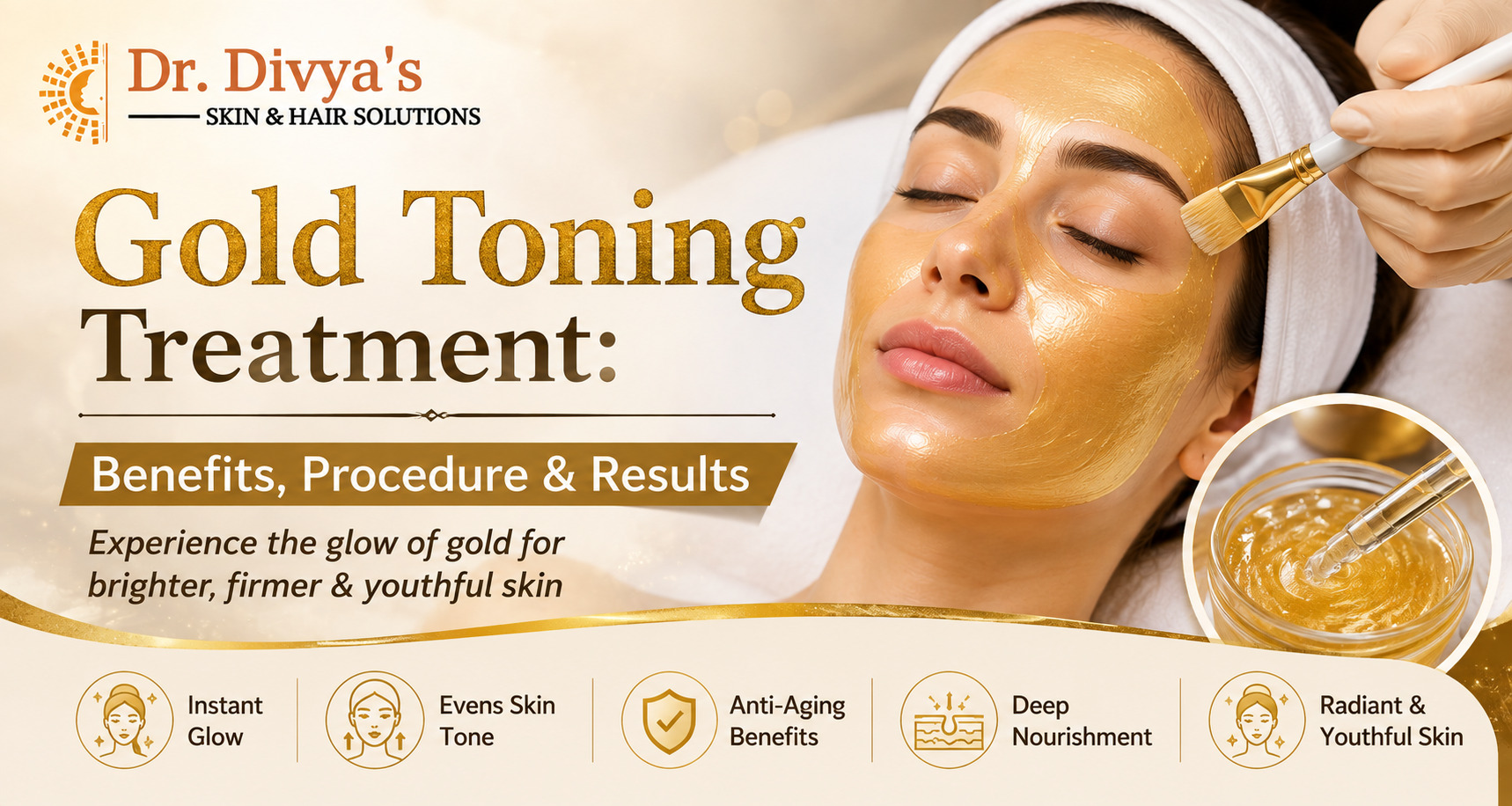
Gold toning treatment is a gentle skin brightening laser for sensitive and tanned skin. Learn benefits, procedure steps, results & FAQs. Book now in Bangalore.
Read More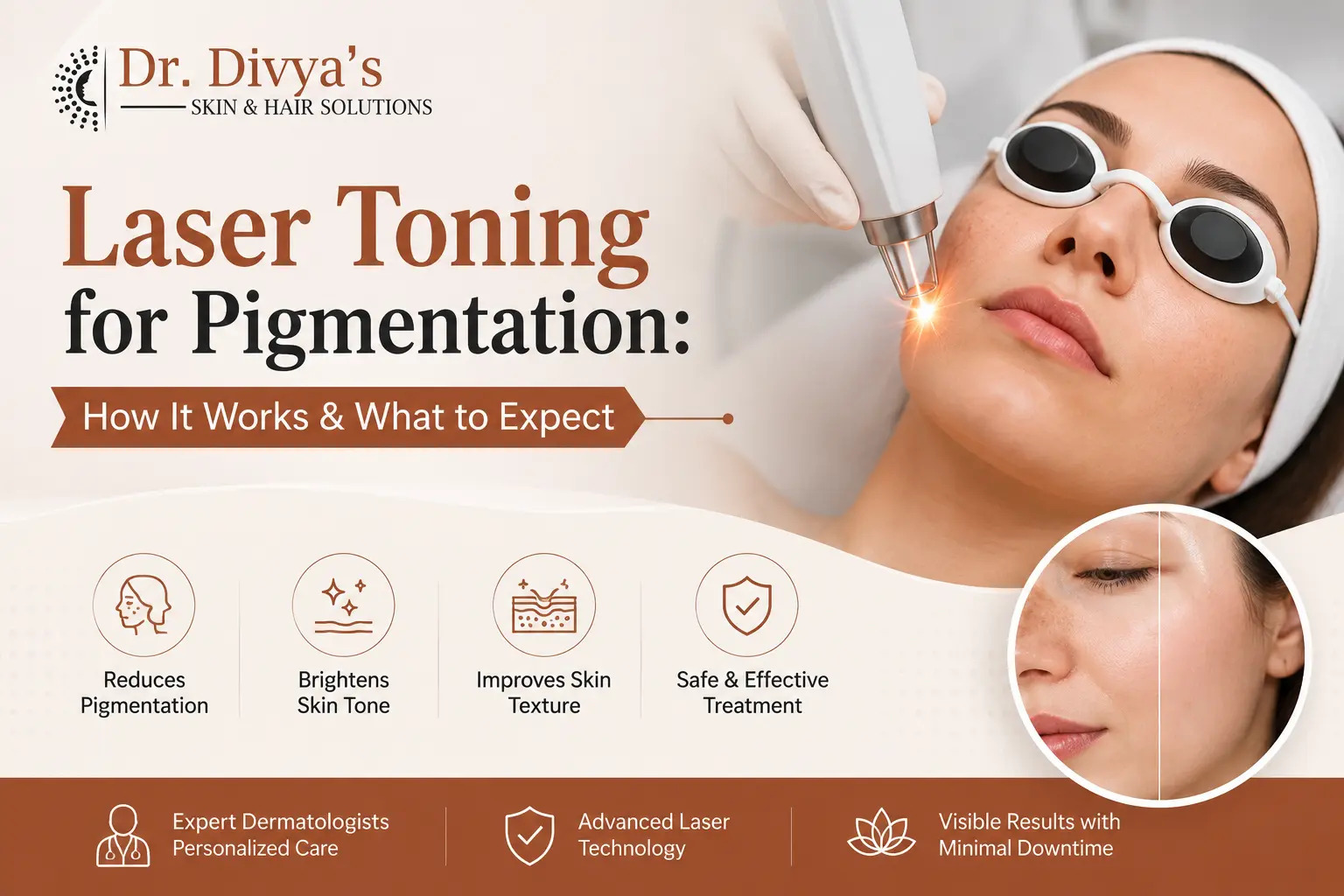
If dark patches or uneven skin tone have been bothering you, laser toning could be the answer. This post breaks down how it works, what it feels like, how many sessions you will need, and what to expect after each visit. No jargon. Just real talk.
Read More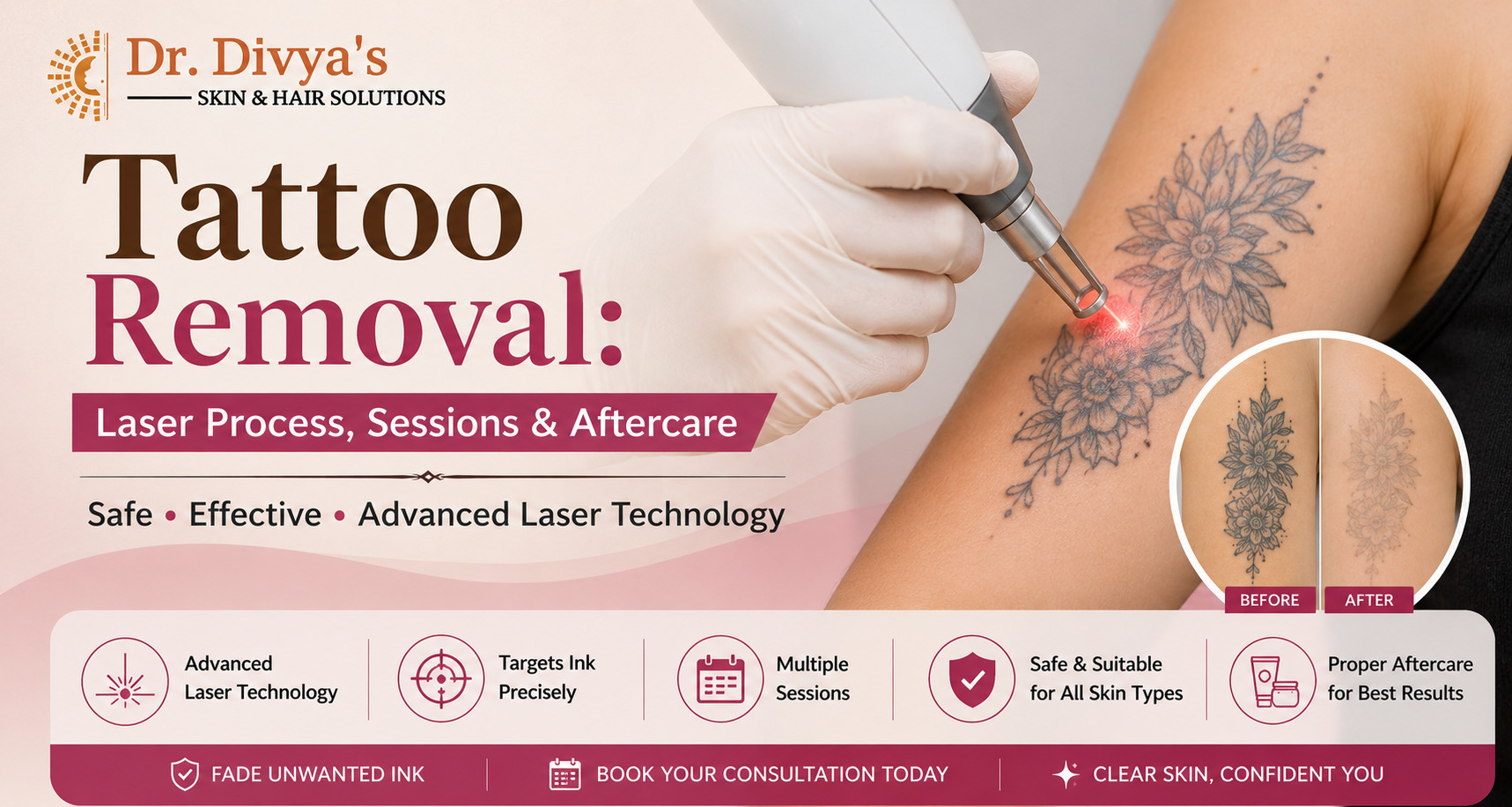
Laser tattoo removal breaks ink particles for natural elimination. Learn how it works, number of sessions needed, pain options, aftercare & risks.
Read More
This complete guide will answer all your questions. Whether you are looking for an instant glow facial treatment or want to understand the Hollywood peel cost and benefits, this article covers everything you need to know.
Read More
This article walks you through everything you need to know about skin pigmentation, what causes it, the different types, the best treatment options available in Bangalore, and how to prevent it.
Read More