Gold Toning Treatment: Benefits, Procedure & Results
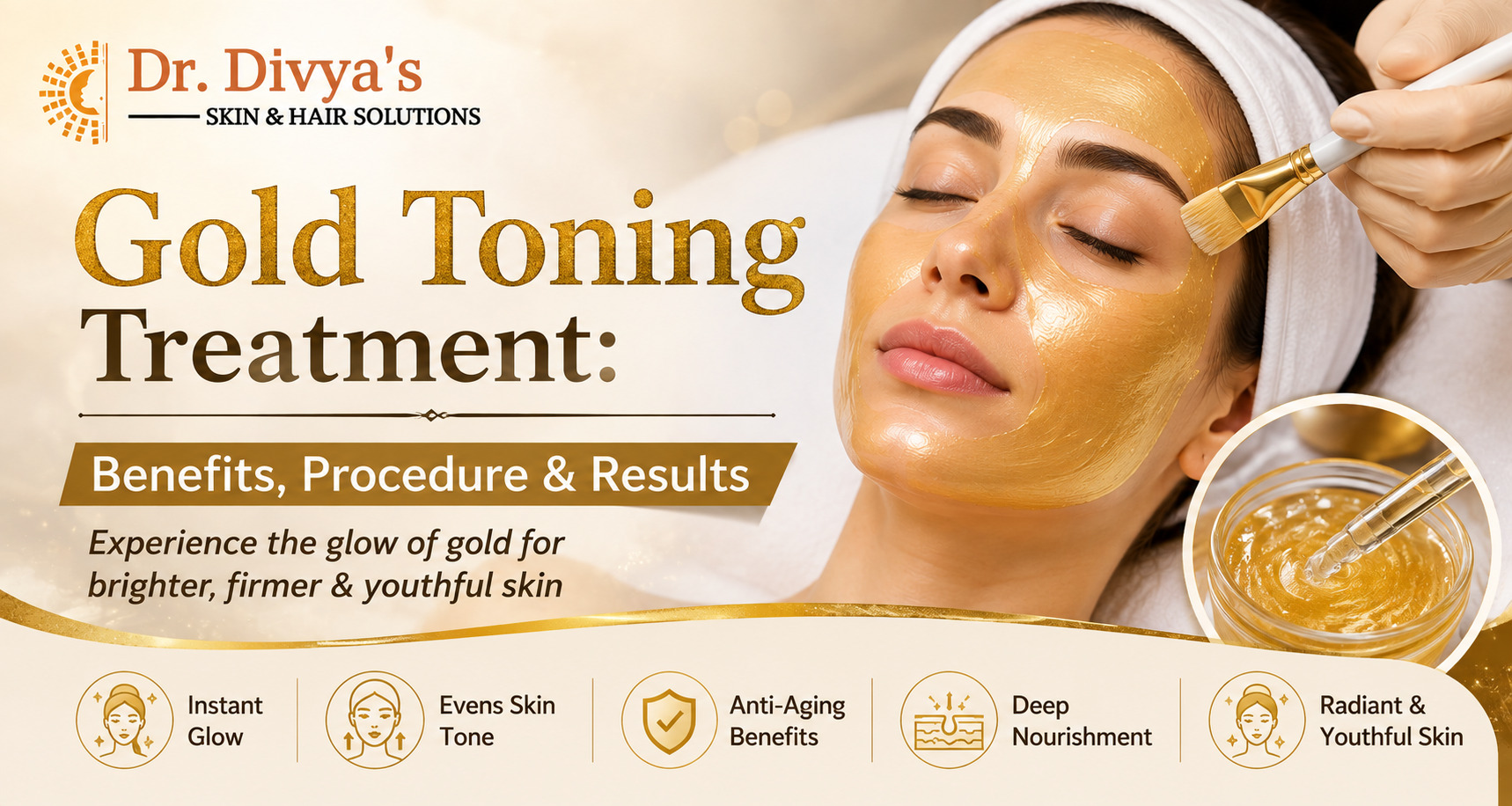
Gold toning treatment is a gentle skin brightening laser for sensitive and tanned skin. Learn benefits, procedure steps, results & FAQs. Book now in Bangalore.
Read More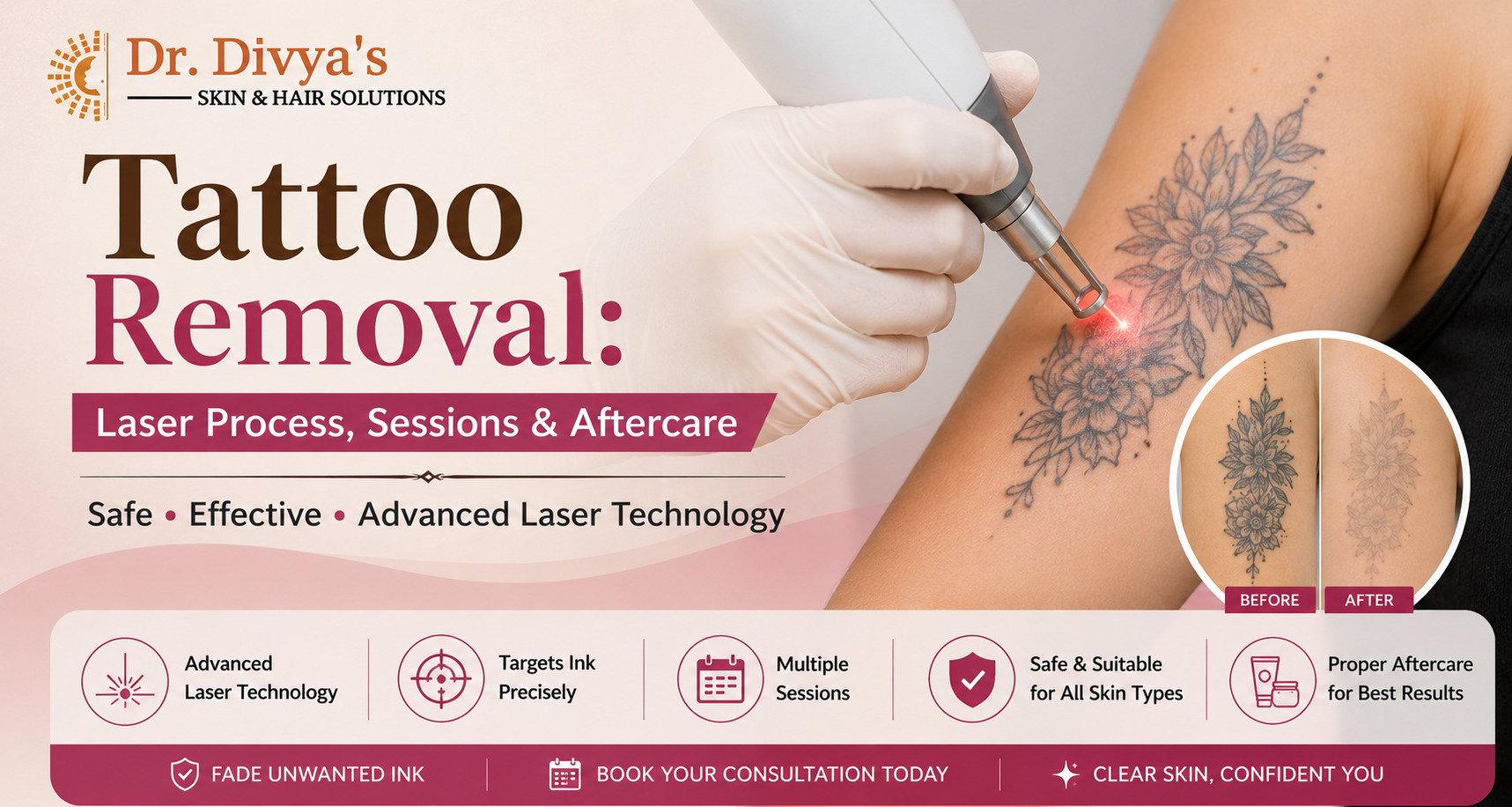
That tattoo that seemed like a great idea at 22 might not feel the same at 32. Whether it's a name that no longer belongs in your story, a design that didn't age well, or simply something you've outgrown — tattoo removal has become one of the most requested cosmetic procedures in recent years.
But the decision to remove a tattoo comes with a lot of questions. How does it actually work? How many sessions are we talking about? Does it hurt? And perhaps most importantly — will your skin look normal afterwards? Let's walk through everything you need to know before committing to the process.
Laser tattoo removal operates on a surprisingly straightforward principle — breaking ink particles into smaller fragments that your body can naturally flush out.
Here's what happens under the skin: tattoo ink sits in the dermis, the second layer of your skin, trapped in clusters that are too large for your immune system to remove on its own. When a laser beam hits these ink particles, it delivers rapid bursts of energy in trillionths of a second (measured in nanoseconds or picoseconds). This energy shatters the ink clusters into microscopic fragments.
Once broken down, your body's macrophages — a type of white blood cell — recognise these smaller particles and begin carrying them away through the lymphatic system. They're eventually filtered out through your liver and kidneys and excreted naturally. It's essentially your body doing the cleanup work after the laser has done its part.
Different lasers target different ink colours. The most commonly used is the Q-switched Nd:YAG laser, which is effective against a wide range of colours. Some clinics also use picosecond lasers, which deliver even shorter pulses and can be more effective on stubborn or multi-coloured tattoos. During your consultation, the dermatologist will assess your tattoo and recommend the appropriate technology based on ink colour, depth, and density.
It's worth noting that laser tattoo removal doesn't happen in one session. The ink is deposited in layers within the skin, and each session breaks down a portion of it. This is why multiple appointments are necessary — and why patience is a genuine requirement throughout the process.
Every tattoo is different, and so is every removal journey. Several factors influence how many sessions you'll need — and understanding them helps set realistic expectations.
Ink colour
Black ink is the easiest to remove because it absorbs all laser wavelengths. Colours like red, orange, and yellow are moderately responsive. Blues and greens are notoriously stubborn and often require more sessions. Multi-coloured tattoos may need different laser wavelengths for each colour, adding to the complexity.
Ink depth and density
How deeply the ink was placed and how densely it was packed matter significantly. Professional tattoos with heavy, saturated ink tend to require more sessions than lighter or amateur tattoos, where the ink sits closer to the surface and is less concentrated.
Tattoo age
Older tattoos often respond faster because the ink has already started to break down naturally over the years. Fresh or relatively new tattoos typically require additional sessions.
Skin tone
Darker skin tones require more careful laser settings to avoid affecting the surrounding melanin. This doesn't mean removal is less effective — it means the process may be slower to ensure safety. Experienced dermatologists adjust the laser parameters accordingly.
Location on the body
Areas with better blood circulation — like the face, chest, and upper arms — tend to heal faster and clear ink more efficiently. Tattoos on the hands, feet, ankles, and fingers often take longer due to lower blood flow and thicker skin.
Tattoo size
Smaller tattoos require fewer sessions overall simply because there's less ink to break down. Larger pieces may need the same number of sessions but over a wider treatment area.
On average, most people need 6 to 12 sessions, though some stubborn tattoos can require more. Sessions are typically spaced 6 to 8 weeks apart to allow your body adequate time to clear the fragmented ink and for the skin to heal between treatments.
If you're exploring laser tattoo removal in Bangalore, a consultation with an experienced dermatologist will give you a clearer picture of what your specific tattoo will require.
Let's address the question everyone asks — does laser tattoo removal hurt?
Honestly, yes. Most people describe the sensation as a rubber band snapping repeatedly against the skin, or like bacon fat splattering. The level of discomfort depends on several things — the location of the tattoo, your personal pain threshold, and the laser settings used. Areas with thinner skin and closer proximity to bone (like the wrist, ankles, and ribs) tend to be more painful than fleshy areas like the upper arm or thigh.
The good news is that discomfort is manageable, and clinics offer several approaches:
The discomfort is short-lived — each session typically lasts between 10 to 30 minutes depending on the size of the tattoo. Once the anaesthetic wears off, the area may feel like a mild sunburn for a day or two. Most people find that subsequent sessions become more tolerable as the ink density decreases.
What you do after each session matters just as much as the treatment itself. Proper aftercare speeds healing, reduces the risk of complications, and helps achieve the best possible results.
Immediately after treatment:
In the days following:
Healing between sessions typically takes 4 to 6 weeks. Don't schedule your next appointment until the area has fully recovered — rushing the process increases the risk of complications without improving results.
Laser tattoo removal is generally safe when performed by a qualified and experienced practitioner, but like any medical procedure, it carries some risks.
Common side effects:
Rarer risks:
The most important thing you can do to minimise risks is choose your clinic carefully. Look for board-certified dermatologists with specific experience in laser tattoo removal, not just general cosmetic clinics. Ask to see before-and-after photos of previous patients, and don't hesitate to ask about the specific laser technology they use.
For a thorough evaluation and a treatment plan tailored to your tattoo, consider consulting a specialist in tattoo removal in Bangalore who can assess your tattoo's unique characteristics and recommend the most effective approach.
Most tattoos require between 6 to 12 sessions for significant or complete removal. The exact number depends on factors like ink colour, depth, density, tattoo age, and location on the body. Black ink tattoos in well-circulated areas like the chest or upper arm tend to clear faster, while multi-coloured or densely saturated tattoos on the hands or feet may need more sessions. Your dermatologist will provide a personalised estimate during your initial consultation.
There is some discomfort involved — most people compare it to a rubber band snapping against the skin or the sensation of hot oil splattering. The level of pain varies based on tattoo location, size, and your individual tolerance. Topical numbing cream is applied before each session to manage the sensation, and clinics often have additional cooling or anaesthetic options available. While it's not painless, the discomfort is brief and manageable for the vast majority of patients.
Most colours can be significantly faded, but not all are equally easy to remove. Black and dark blue respond best to laser treatment. Red, orange, and yellow ink respond moderately well. Green and light blue are the most resistant and may require more sessions with specialised laser wavelengths. Some ink formulations, particularly those with metallic or white pigments, can darken or change colour when exposed to laser light — though this is typically manageable with adjusted treatment protocols. A consultation with a dermatologist can assess your specific ink colours and set realistic expectations.
The risk of scarring is low when the procedure is performed by an experienced dermatologist using modern laser technology. Most side effects like blistering, scabbing, and pigment changes are temporary and heal completely. Scarring is more likely when aftercare instructions aren't followed, when the laser is set too aggressively, or in individuals with a history of keloid formation. Following your dermatologist's aftercare guidance carefully and allowing adequate healing time between sessions are the best ways to minimise any scarring risk.
That tattoo that seemed like a great idea at 22 might not feel the same at 32. Whether it's a name that no longer belongs in your story, a design that didn't age well, or simply something you've outgrown — tattoo removal has become one of the most requested cosmetic procedures in recent years.
But the decision to remove a tattoo comes with a lot of questions. How does it actually work? How many sessions are we talking about? Does it hurt? And perhaps most importantly — will your skin look normal afterwards? Let's walk through everything you need to know before committing to the process.
Laser tattoo removal operates on a surprisingly straightforward principle — breaking ink particles into smaller fragments that your body can naturally flush out.
Here's what happens under the skin: tattoo ink sits in the dermis, the second layer of your skin, trapped in clusters that are too large for your immune system to remove on its own. When a laser beam hits these ink particles, it delivers rapid bursts of energy in trillionths of a second (measured in nanoseconds or picoseconds). This energy shatters the ink clusters into microscopic fragments.
Once broken down, your body's macrophages — a type of white blood cell — recognise these smaller particles and begin carrying them away through the lymphatic system. They're eventually filtered out through your liver and kidneys and excreted naturally. It's essentially your body doing the cleanup work after the laser has done its part.
Different lasers target different ink colours. The most commonly used is the Q-switched Nd:YAG laser, which is effective against a wide range of colours. Some clinics also use picosecond lasers, which deliver even shorter pulses and can be more effective on stubborn or multi-coloured tattoos. During your consultation, the dermatologist will assess your tattoo and recommend the appropriate technology based on ink colour, depth, and density.
It's worth noting that laser tattoo removal doesn't happen in one session. The ink is deposited in layers within the skin, and each session breaks down a portion of it. This is why multiple appointments are necessary — and why patience is a genuine requirement throughout the process.
Every tattoo is different, and so is every removal journey. Several factors influence how many sessions you'll need — and understanding them helps set realistic expectations.
Ink colour
Black ink is the easiest to remove because it absorbs all laser wavelengths. Colours like red, orange, and yellow are moderately responsive. Blues and greens are notoriously stubborn and often require more sessions. Multi-coloured tattoos may need different laser wavelengths for each colour, adding to the complexity.
Ink depth and density
How deeply the ink was placed and how densely it was packed matter significantly. Professional tattoos with heavy, saturated ink tend to require more sessions than lighter or amateur tattoos, where the ink sits closer to the surface and is less concentrated.
Tattoo age
Older tattoos often respond faster because the ink has already started to break down naturally over the years. Fresh or relatively new tattoos typically require additional sessions.
Skin tone
Darker skin tones require more careful laser settings to avoid affecting the surrounding melanin. This doesn't mean removal is less effective — it means the process may be slower to ensure safety. Experienced dermatologists adjust the laser parameters accordingly.
Location on the body
Areas with better blood circulation — like the face, chest, and upper arms — tend to heal faster and clear ink more efficiently. Tattoos on the hands, feet, ankles, and fingers often take longer due to lower blood flow and thicker skin.
Tattoo size
Smaller tattoos require fewer sessions overall simply because there's less ink to break down. Larger pieces may need the same number of sessions but over a wider treatment area.
On average, most people need 6 to 12 sessions, though some stubborn tattoos can require more. Sessions are typically spaced 6 to 8 weeks apart to allow your body adequate time to clear the fragmented ink and for the skin to heal between treatments.
If you're exploring laser tattoo removal in Bangalore, a consultation with an experienced dermatologist will give you a clearer picture of what your specific tattoo will require.
Let's address the question everyone asks — does laser tattoo removal hurt?
Honestly, yes. Most people describe the sensation as a rubber band snapping repeatedly against the skin, or like bacon fat splattering. The level of discomfort depends on several things — the location of the tattoo, your personal pain threshold, and the laser settings used. Areas with thinner skin and closer proximity to bone (like the wrist, ankles, and ribs) tend to be more painful than fleshy areas like the upper arm or thigh.
The good news is that discomfort is manageable, and clinics offer several approaches:
The discomfort is short-lived — each session typically lasts between 10 to 30 minutes depending on the size of the tattoo. Once the anaesthetic wears off, the area may feel like a mild sunburn for a day or two. Most people find that subsequent sessions become more tolerable as the ink density decreases.
What you do after each session matters just as much as the treatment itself. Proper aftercare speeds healing, reduces the risk of complications, and helps achieve the best possible results.
Immediately after treatment:
In the days following:
Healing between sessions typically takes 4 to 6 weeks. Don't schedule your next appointment until the area has fully recovered — rushing the process increases the risk of complications without improving results.
Laser tattoo removal is generally safe when performed by a qualified and experienced practitioner, but like any medical procedure, it carries some risks.
Common side effects:
Rarer risks:
The most important thing you can do to minimise risks is choose your clinic carefully. Look for board-certified dermatologists with specific experience in laser tattoo removal, not just general cosmetic clinics. Ask to see before-and-after photos of previous patients, and don't hesitate to ask about the specific laser technology they use.
For a thorough evaluation and a treatment plan tailored to your tattoo, consider consulting a specialist in tattoo removal in Bangalore who can assess your tattoo's unique characteristics and recommend the most effective approach.
Most tattoos require between 6 to 12 sessions for significant or complete removal. The exact number depends on factors like ink colour, depth, density, tattoo age, and location on the body. Black ink tattoos in well-circulated areas like the chest or upper arm tend to clear faster, while multi-coloured or densely saturated tattoos on the hands or feet may need more sessions. Your dermatologist will provide a personalised estimate during your initial consultation.
There is some discomfort involved — most people compare it to a rubber band snapping against the skin or the sensation of hot oil splattering. The level of pain varies based on tattoo location, size, and your individual tolerance. Topical numbing cream is applied before each session to manage the sensation, and clinics often have additional cooling or anaesthetic options available. While it's not painless, the discomfort is brief and manageable for the vast majority of patients.
Most colours can be significantly faded, but not all are equally easy to remove. Black and dark blue respond best to laser treatment. Red, orange, and yellow ink respond moderately well. Green and light blue are the most resistant and may require more sessions with specialised laser wavelengths. Some ink formulations, particularly those with metallic or white pigments, can darken or change colour when exposed to laser light — though this is typically manageable with adjusted treatment protocols. A consultation with a dermatologist can assess your specific ink colours and set realistic expectations.
The risk of scarring is low when the procedure is performed by an experienced dermatologist using modern laser technology. Most side effects like blistering, scabbing, and pigment changes are temporary and heal completely. Scarring is more likely when aftercare instructions aren't followed, when the laser is set too aggressively, or in individuals with a history of keloid formation. Following your dermatologist's aftercare guidance carefully and allowing adequate healing time between sessions are the best ways to minimise any scarring risk.
Gold toning treatment is a gentle skin brightening laser for sensitive and tanned skin. Learn benefits, procedure steps, results & FAQs. Book now in Bangalore.
Read More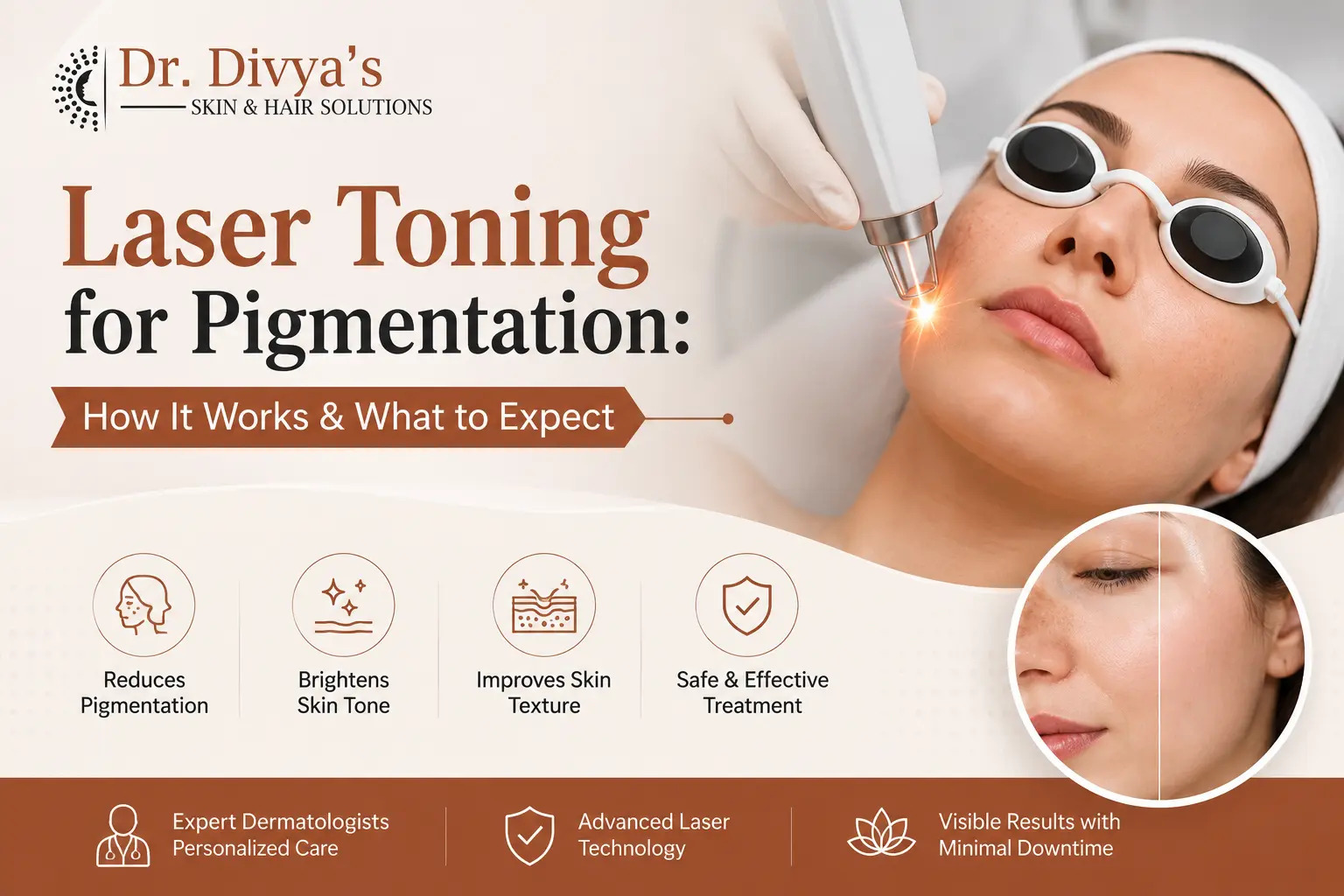
If dark patches or uneven skin tone have been bothering you, laser toning could be the answer. This post breaks down how it works, what it feels like, how many sessions you will need, and what to expect after each visit. No jargon. Just real talk.
Read More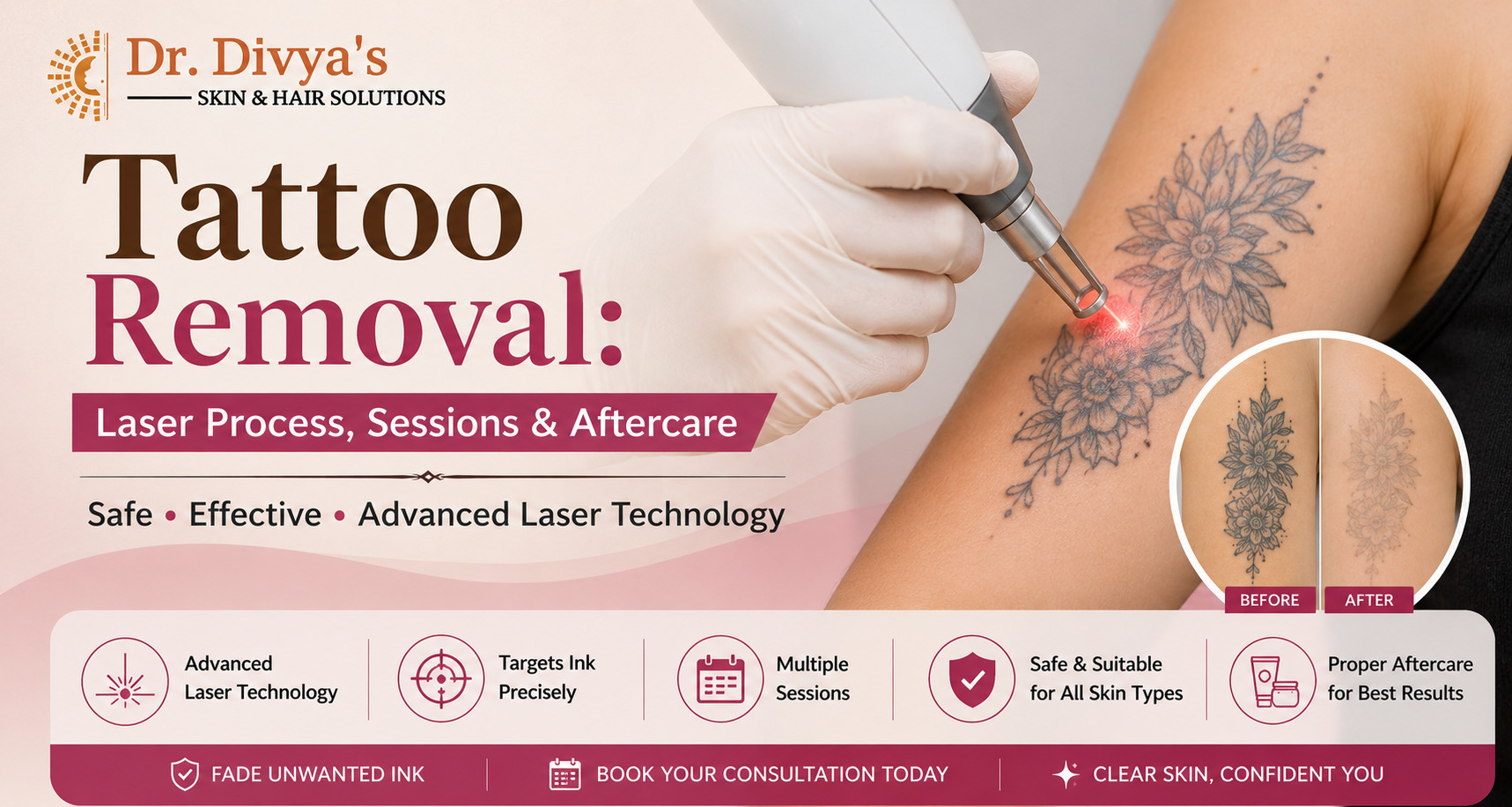
Laser tattoo removal breaks ink particles for natural elimination. Learn how it works, number of sessions needed, pain options, aftercare & risks.
Read More
This complete guide will answer all your questions. Whether you are looking for an instant glow facial treatment or want to understand the Hollywood peel cost and benefits, this article covers everything you need to know.
Read More
This article walks you through everything you need to know about skin pigmentation, what causes it, the different types, the best treatment options available in Bangalore, and how to prevent it.
Read More