
FSR Laser Treatment for Skin Rejuvenation
Advanced Dermatological Care Calibrated for Indian Skin & Hair
Revitalise your skin with FSR laser treatment. Target scars, wrinkles, and uneven tone effectively. Visit Dr. Divya Sharma’s clinic to book an appointment today!
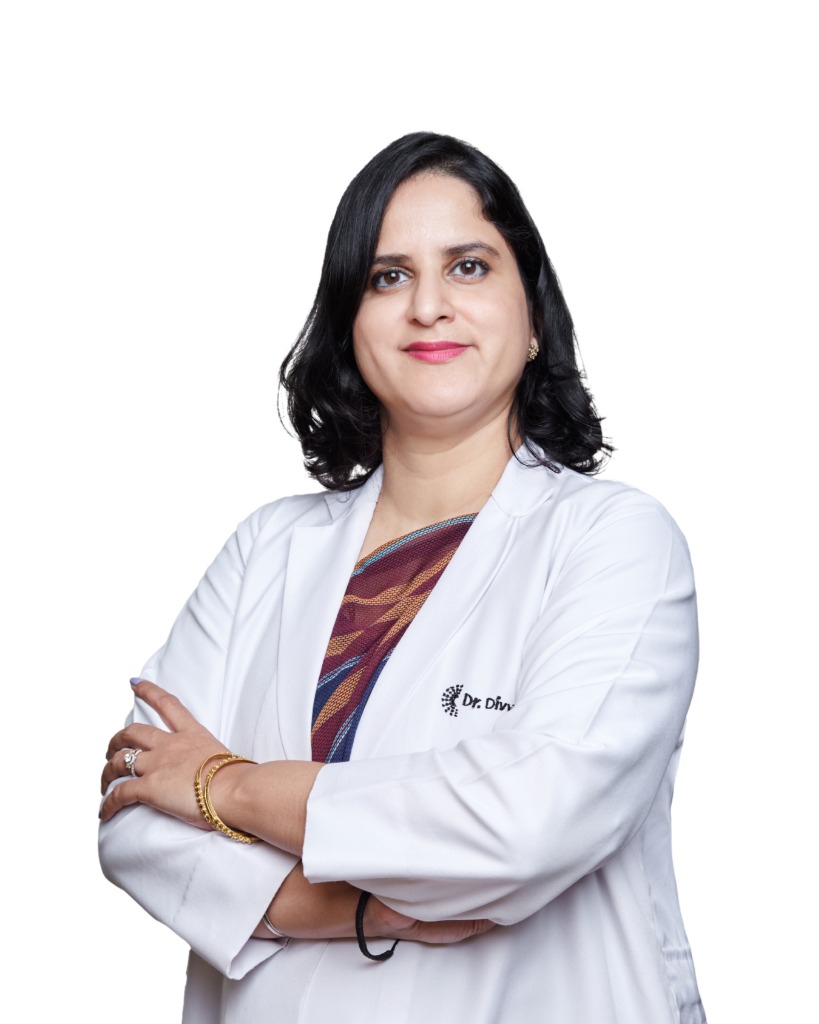
MBBS, MD (Dermatology)





What is Fractional Sublative Rejuvenation?
Fractional Sublative Rejuvenation (FSR) is used to treat wrinkles, scars, large pores, and better skin texture. It uses a fractionated bi-polar radio frequency to penetrate through the skin, sending more energy beneath the surface of the skin to maximize collagen production, all, while keeping the top layer of the skin intact. This is an important factor in why it is safe for all skin types, and requires less downtime than other treatment methods for the skin to heal.
Each pulse delivers the radio frequency energy via a grid of matrix spots, inducing a skin injury, which is maximized in these tiny, targeted areas. Fibroblasts activated within the “zones” signal collagen to regenerate and remodel, yielding improved skin tone and texture overall. Meanwhile, the surrounding “untreated” tissue then helps to support and accelerate the healing process in the skin.
Three to five series of treatments are usually needed for optimal results.
What are the benefits of this procedure?
-
FSR has been shown in small studies to modestly improve fine lines, acne scarring, stretch marks and texture caused by excessive sun exposure.
-
It requires only around 48 h of resting; patients can usually return to regular activities following treatment.
-
It is considered mild and natural, unlike other non-aggressive cosmetic treatments such as Botox, fillers, or chemical peels.
-
It works by stimulating cell regrowth, and therefore, the results obtained are expected to last longer.
-
Patients of all skin types can use sublative rejuvenation as an alternative to laser treatments for skin rejuvenation and acne scarring.
-
Since the treatment uses radiofrequency instead of light, the chances of post-inflammatory hyperpigmentation are greatly reduced.
-
A full-face treatment session takes less than 30 min.
-
On average, most results appear over 3–6 months, but some patients notice results immediately after treatment.
Who cannot opt for this procedure?
- Pregnant females or those using Accutane in the last 6 months
- Patients with pacemakers, internal defibrillators, or metal implants in the area of concern
- Patients with diabetes, autoimmune disease, history of cold sores, or have had injectable fillers in the area to be treated
What are the associated risks and side effects?
The procedure is slightly uncomfortable, although this is minimized by a topical anesthetic (applied to the skin prior to the treatment for 30 min). Redness and swelling are expected side effects that lasts from hours to days, and occasionally even up to a week or beyond (very unusual). Any resurfacing procedure can result in a scar or infection, although this is extremely rare. Darkening or lightening of the skin is theoretically possible but with the correct priming and pre procedure care, risk is minimised..
Prior to treatment, your doctor will discuss all potential risks and side effects with you.
Clinical Protocol Steps
Personalized treatment roadmap tailored to individual skin and hair health.
Diagnostic Dermoscopy & Consultation
Comprehensive analysis of condition depth, triggers, and medical history.
Targeted Medical Procedure
Application of US-FDA cleared clinical lasers, peels, or medical therapies.
Barrier Repair & Long-Term Maintenance
Personalized post-treatment regimen to ensure lasting results and prevent recurrence.
Frequently Asked Questions
What is FSR and why are we using it at our Clinic?+
Skin resurfacing has been done using traditional methods like chemical peels, microdermabrasion and Lasers. An intrinsic disadvantage of using lasers has been the epidermal side effects like pigmentation, more downtime and scarring. As we need to give higher energy for deeper dermal heating which increases the risk of epidermal side effects. FSR is a unique technology using fractional radiofrequency in a non-ablative fashion in order to stimulate skin repair. It uses a unique hand piece containing 110 tiny microelectrodes which cause micro ablation of epidermis (minimal trauma to superficial layers) and 100% volumetric heating of the entire dermis.
What’s an FSR treatment like? Is it painful? Are there any side effects?+
Generally, a treatment session using FSR takes somewhere between 15 to 45 minutes depending on the size of the area(s) to be treated. It is generally well tolerated with topical anaesthetic. However, during the treatment, patients experience a mild tingling sensation and heat. Post-procedure there will be no discomfort just a slight burning sensation (like a sunburn) which will subside within a few hours or a day. Within 4-5 days microcrusting will take place and fresh rejuvenated skin will be revealed.
How long will the improvement last?+
The reparative benefits of FSR ARE LONG LASTING AS IT USES BODY’S OWN HEALING AND REMODELLING. We perform FSR treatment at Dr. Divya’s Skin and Hair Solutions clinic to give you a newer, younger looking skin.
Who can be treated with FSR and what all can be treated with FSR?+
The biggest advantage of FSR is its safety profile in all skin types especially darker skin types. FSR helps in improving open pores, fine wrinkles, pigmentation and overall dull skin. Acne scars can be significantly improved along with sagging skin, neck wrinkles and prematurely aged hands.
How many treatment sessions are required? How fast will the improvement become visible?+
Depending on the severity of the scars, wrinkles or textural changes, 3 to 6 sessions might be required. The regular interval between sessions is monthly to bimonthly. Optimum results are seen within 12 weeks following the treatment. However, most patient can observe significant visible improvement even at 7 to 10 days after the treatment.
Complementary Treatments & Cross-Specialties
Hollywood Carbon Peel→
Instant glow facial with laser skin rejuvenation
Acne & Pimples Care→
Targeted clinical protocols for active acne & cystic breakouts
Melasma & Pigmentation→
Advanced combination therapy for hormonal facial pigmentation
Hair Loss & GFC Therapy→
Growth factor concentrate therapy for hair regrowth
Laser Tattoo Removal→
Q-Switched laser ink clearance with low scarring risk
Keratosis Pilaris Care→
Medical smoothing for bumpy skin on arms and legs
References & Further Reading
Claims on this page have been reviewed against current peer-reviewed literature and clinical guidelines, including:
- Lim HW, et al. International modified Delphi consensus statement on visible light photoprotection: effects, measurement, and recommendations. J Invest Dermatol. 2026. PubMed PMID: 42101389
- Narla S, et al. Visible light in photodermatology. Photochem Photobiol Sci. 2020. PubMed PMID: 31922171
- Bhargava S, et al. Acne scarring management: systematic review and evaluation of the evidence. Am J Clin Dermatol. 2018. PubMed PMID: 29744784
- Mujahid N, et al. Microneedling as a treatment for acne scarring: a systematic review. Dermatol Surg. 2020. PubMed PMID: 31356435
- Tan MG, et al. Radiofrequency microneedling: a comprehensive and critical review. Dermatol Surg. 2021. PubMed PMID: 33577211
The information on this website is for general patient education only and is not a substitute for an in-person medical consultation, diagnosis or treatment. Treatment suitability and outcomes vary from person to person; no specific result is promised. Please consult a registered medical practitioner for advice on your condition.