
Chronic Scalp Dandruff & Flaking Relief
Ending Persistent Flaking, Itch, and Seborrheic Scalp Build-Up
Clinical antifungal and keratolytic scalp solutions designed to restore scalp microflora without drying or damaging delicate hair shafts.
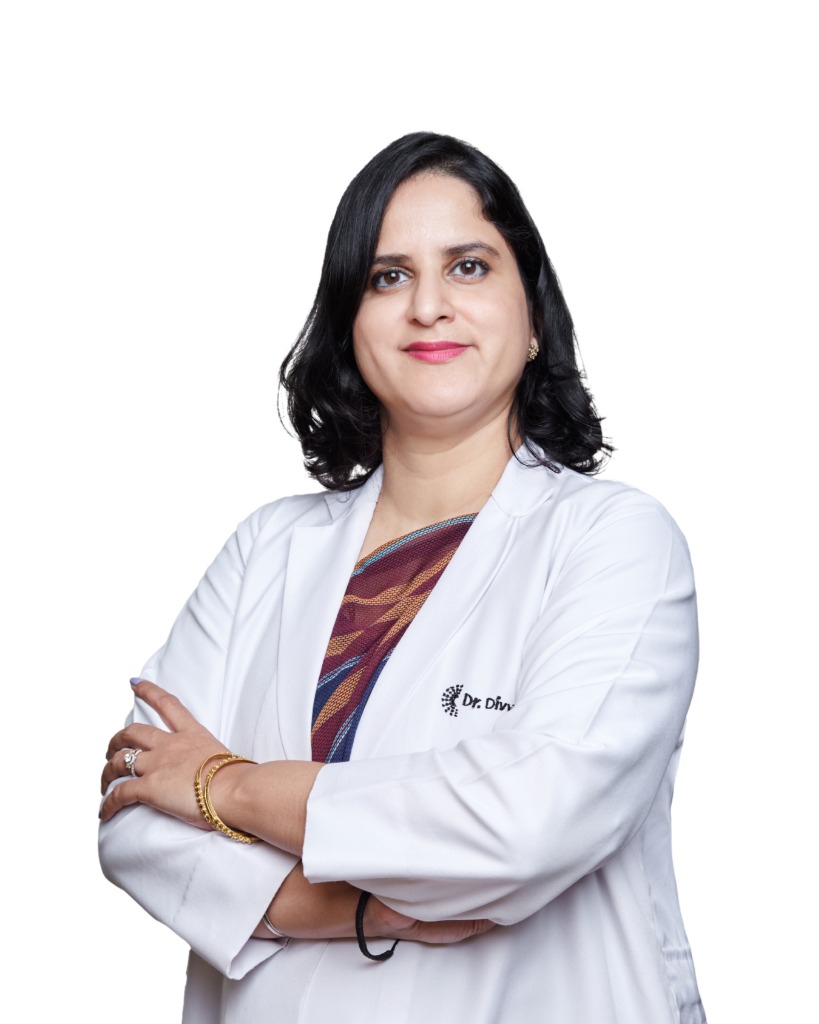
MBBS, MD (Dermatology)





Dandruff is one of the common complaints that we come across in our daily practice. It leads to dry and flaky skin and makes your scalp itchy. We are sure that every person suffers from this condition at some point in their life. The symptoms are usually itchy, flaky scalp and dry flakes that often fall on your shoulders, face and back.
Causes of Dandruff
Though causes of dandruff are not yet confirmed but there are theories and factors that experts have spoken extensively related to the possible causes. Let us understand them in details:
Microbial Theory + AJY
Microbial theory is the most widely accepted theory. It states that dandruff is caused due to a microbe, Malassezia Globosa, which is a naturally occurring microbe in everyone’s scalp. The organism is known to feed on sebum (natural scalp oils) which helps the hair and scalp skin to stay well-moisturised.
Once the sebum breaks down, a by-product named oleic acid is produced which most people are sensitive to. This sensitivity leads to irritated and inflamed scalp. The inflammation in turn signals the brain to let the skin cells shed at a faster rate. This shedding is what we call a dandruff.
The Corneocyte Theory
The stratum corneum (SC) which is the outermost layer of epidermis, functions as a barrier against water loss and entry of microorganisms and other environmental agents The SC consists of several layers of “corneocytes”, encased in lipid lamellae, held together by specialized intercellular cell adhesion structures called corneodesmosomes. changes in the lamellar lipid composition, corneocyte size or shape, corneodesmosome number and SC thickness leads to changes in the epidermal permeability barrier function. Sebum normally influences this intercellular organisation to aid desquamation. But in dandruff, altered corneodesmosomal hydrolysis disrupts lipid organization and disturbs the desquamation process, leading to aberrant barrier function.Consistent with this, dandruff patients have more reactive (higher itch perception or flaking) than controls to topical applications of histamine or oleic acid to the scalp. These observations indicate that disrupted epidermal barrier function contributes to the aggravation of dandruff.
Apart from the theories mentioned above, the following theories are known to worsen the dandruff:
Dry Skin
Dry skin can cause the scalp to become itchy and flaky. These dry flakes occur commonly during winters and in places where there is cold weather throughout the year.
Irritated and oily Scalp
If you have an irritated and oily scalp along with itchy, red rashes on your eyebrows, eyelids , around nose or centre of chest then chances are that you are suffering from a condition called seborrheic dermatitis which is an exaggerated version of dandruff. This condition causes the scalp to become greasy and leads to white flakes and yellow scales around the eyebrows, eyelids and around the nose.
Dirty Scalp
If you don’t clean your scalp regularly then flakes may become more visible, but dandruff is not caused by dirt or poor hygiene. One needs to shampoo regularly to keep their scalp clean and dandruff free.
For individuals suffering from dandruff, it is best to consult their respective doctors to choose a shampoo that suits them best. A pH balanced , sulfate free shampoo works best in maintaining scalp health and hygiene.
Stress
Stress can aggravate dandruff as it impairs the immune system and gives the microbe, Malassezia Globosa,a chance to thrive. It also leads to a vicious cycle of itch and scratch where the more you scratch your scalp, it becomes itchier.
Treatment for Dandruff
pH Balanced Shampoos
Look for shampoos which are pH balanced that will help maintain a healthy scalp. You can look for the following ingredients:
-
Ketoconazole: This is an effective anti-fungal medication.
-
Salicylic acids: This helps to keep the scalp free of dead skin cells. This is especially helpful in flaky scalp
-
Selenium sulfide: This has antifungal and anti-scaling action that reduces Malassezia yeast and skin-cell turnover on the scalp
-
Tea-tree oil: This is an antifungal, antibiotic, and antiseptic agent
Healthy Diet
Like most of the conditions, a healthy and balanced diet supports general skin health, but diet alone does not prevent or treat dandruff.
Consult your dermatologist
If basic home care treatments, do not help you to ward off dandruff then you must visit your dermatologist who will then examine your scalp and skin condition to guide you for an appropriate anti-dandruff treatment.
Common Scalp Symptoms
- Dry white flakes on shoulders, clothes, and hair parting
- Oily, yellowish crusty scalp patches adhering to hair shafts
- Persistent scalp erythema, burning, and intense pruritus
- Scalp acne, folliculitis bumps & tender hair roots
- Accelerated seasonal hair shedding during monsoons & winter
Our 3-Phase Scalp Recovery Plan
Eliminating fungal yeast and restoring scalp skin barrier.
Dermoscopic Scalp Check
Assessing scalp sebum levels, crusting, and hair root inflammation.
Targeted Medical Wash & Cleansing
Prescribing Ketoconazole, Zinc Pyrithione, or Salicylic formulations.
Scalp Barrier Maintenance
Preventing seasonal flare-ups with customized wash routines.
Frequently Asked Questions
What is Dandruff?+
It is actually physiologic (normal) shedding of dead cells which is non inflammatory in nature. It causes embarrassment and itching sometimes. It can present as excessive scaling and dry patches on the scalp.
How to Treat Dandruff?+
First and foremost , one should keep the scalp clean and free from oil, grime and sweat. One can use pH balanced shampoo which maintains the internal environment of scalp. Secondly a ketoconazole , zinc pyrithione containg shampoos should be used to reduce the malassezia species. Thirdly, a healthy lifestyle and a diet which is rich in fibres and low on processed foods helps in maintaining a healthy scalp. If your dandruff does not respond to these basic measures, please consult your Dermatologist to examine the scalp and prescribe anti inflammatory medications to improve the scalp condition.
Is it a Disease or Disorder?+
It actually represents something that is a normal process but if it extends beyond scalp margins and is itchy, it represents seborrheic dermatitis.( a severe version of dandruff).
Can Dandruff Cause Hairfall?+
Yes. Severe scalp inflammation from seborrheic dermatitis may increase hair shedding, but dandruff does not cause androgenetic alopecia. At Dr Divya+IBk-s Skin and Hair Solutions clinic in Whitefield , we offer comprehensive solutions for treatment of Dandruff and related scalp issues.
Can severe dandruff cause hair fall?+
Yes! Persistent scalp inflammation and scratching weaken hair roots, leading to temporary hair shedding (telogen effluvium). Treating dandruff reduces itching and scratching and may reduce associated shedding.
How do I know if I have dandruff or scalp psoriasis?+
Dandruff flakes are usually loose, fine white or greasy yellow, accompanied by mild redness. Psoriasis presents with thick, silvery-white scale plaques that often extend beyond the hairline onto the forehead or behind the ears.
Why does dandruff keep returning after stopping commercial anti-dandruff shampoos?+
Over-the-counter shampoos often contain low concentrations of active agents and harsh sulfates that temporarily mask flakes while further disrupting scalp barrier function. Medical dermatological treatment addresses root sebum composition and fungal colony control.
Complementary Treatments & Cross-Specialties
Hair Loss & GFC Therapy→
Growth Factor Concentrate therapy to regenerate hair follicles affected by shedding
Male Pattern Hair Loss→
Targeted clinical protocols for androgenetic alopecia and receding temples
Female Hair Fall & PCOS→
Hormonal hair shedding evaluation, blood work, and trichology recovery
Scalp Psoriasis Care→
Therapeutic management for thick silvery scales and stubborn autoimmune plaques
Infant Cradle Cap→
Gentle pediatric medical care for greasy newborn and infant scalp crusting
Hair & Scalp Hub→
Complete diagnostic and therapeutic care for all scalp and trichology concerns
References & Further Reading
Claims on this page have been reviewed against current peer-reviewed literature and clinical guidelines, including:
- Sidbury R, et al. Guidelines of care for the management of atopic dermatitis in adults with topical therapies. J Am Acad Dermatol. 2023. PubMed PMID: 36641009
- Verma SB. Topical corticosteroid misuse in India is harmful and out of control. BMJ. 2015. PubMed PMID: 26608450
- Clark GW, et al. Diagnosis and treatment of seborrheic dermatitis. Am Fam Physician. 2015. PubMed PMID: 25822272
- Gupta AK, et al. Understanding the scalp: dandruff and seborrheic dermatitis. J Cutan Med Surg. 2025. PubMed PMID: 41133934
The information on this website is for general patient education only and is not a substitute for an in-person medical consultation, diagnosis or treatment. Treatment suitability and outcomes vary from person to person; no specific result is promised. Please consult a registered medical practitioner for advice on your condition.