Gold Toning Treatment: Benefits, Procedure & Results
Gold toning treatment is a gentle skin brightening laser for sensitive and tanned skin. Learn benefits, procedure steps, results & FAQs. Book now in Bangalore.
Read More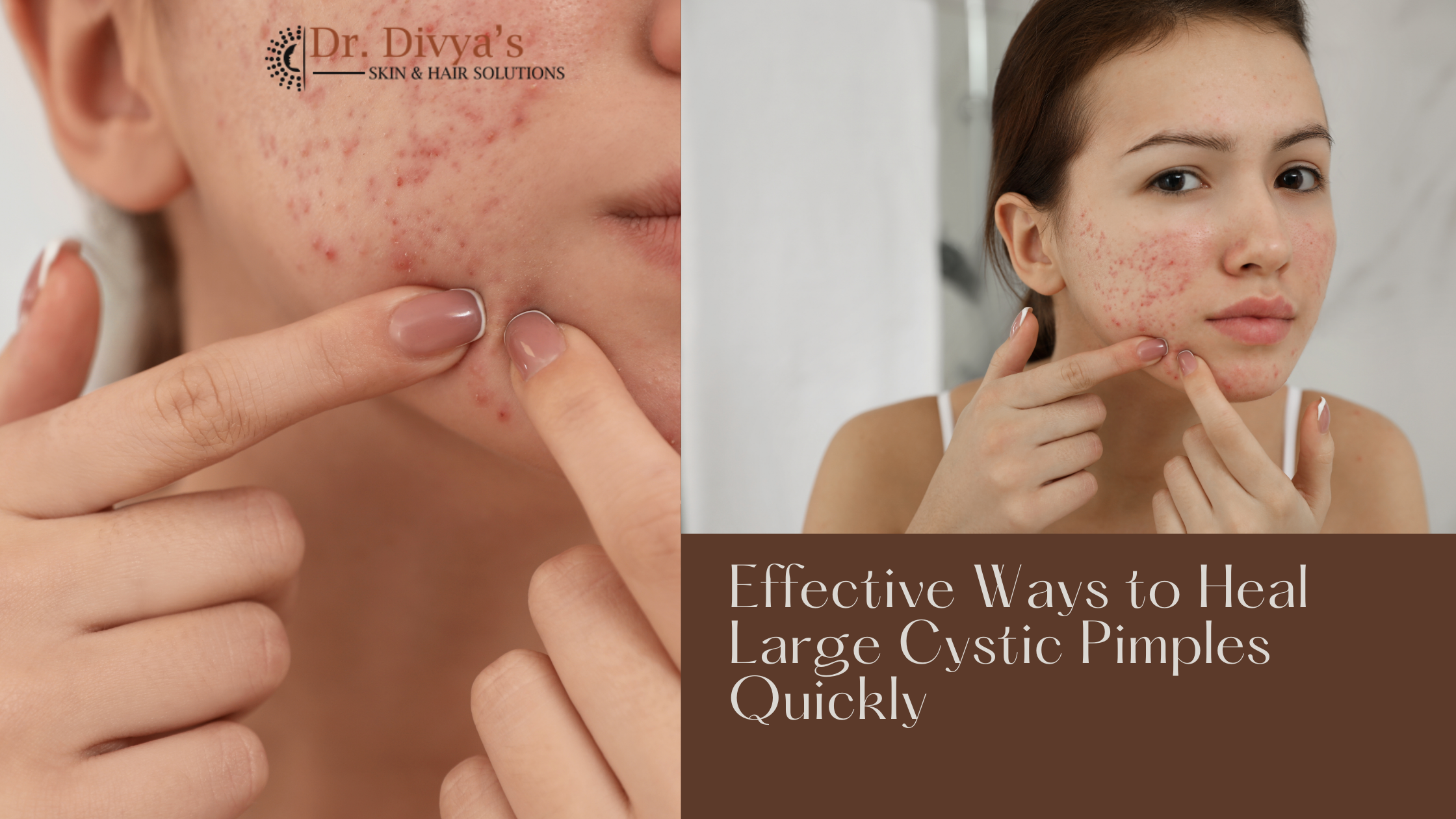
Dealing with large cystic pimples can be frustrating and painful. Unlike regular pimples, cystic acne forms deep under the skin, often causing redness, swelling, and discomfort. If left untreated, it may lead to scarring, making quick and proper care essential.
In this blog, we'll discuss why cystic pimples occur, effective treatments, and practical tips to heal them quickly, so you can maintain clear, healthy skin.
Cystic pimples are severe forms of acne caused by blocked pores, excess oil production, and bacterial infection. They are deeper than standard pimples and often appear as large, red, painful bumps filled with pus. Because they affect the deeper layers of the skin, cystic acne requires careful management to prevent scarring and inflammation.
1. Do Not Pop or Squeeze
It may be tempting, but popping a cystic pimple can increase infection, inflammation, and scarring. Avoid touching it to allow natural healing.
2. Use Topical Treatments
Benzoyl Peroxide: Kills bacteria and reduces inflammation.
Salicylic Acid: Helps unclog pores and prevent further breakouts.
Retinoids: Promote cell turnover and prevent new pimples from forming.
3. Keep the Area Clean and Moisturized
Use a gentle, non-comedogenic cleanser to remove excess oil and dirt. Apply a light, oil-free moisturizer to prevent dryness, which can worsen inflammation.
4. Consult a Dermatologist for Severe Cases
If the cystic acne is severe or recurring, a dermatologist may prescribe:
5. Maintain a Healthy Lifestyle
Balanced Diet: Reduce sugar and dairy intake if triggers are identified.
Hydration: Drink plenty of water to flush toxins.
Stress Management: Practice yoga, meditation, or regular exercise.
Large cystic pimples can be painful and stubborn, but with the right care, they can heal quickly and effectively. Avoid popping, use targeted treatments, maintain hygiene, and consult a professional for persistent acne. With patience and proper care, you can reduce inflammation, prevent scarring, and achieve clear, healthy skin.
1. Can I pop a cystic pimple to make it heal faster?
No. Popping increases the risk of infection, worsens inflammation, and can cause permanent scarring.
2. How long does a cystic pimple take to heal naturally?
A large cystic pimple may take 1-2 weeks to heal without scarring, depending on severity and care.
3. When should I see a dermatologist?
Consult a dermatologist if cystic acne is recurrent, severe, or painful, or if it leaves scars despite proper care.
4. Can diet affect cystic acne?
Yes. Diets high in sugar, dairy, or processed foods may trigger breakouts in some people. Eating a balanced diet can help improve skin health.
Dealing with large cystic pimples can be frustrating and painful. Unlike regular pimples, cystic acne forms deep under the skin, often causing redness, swelling, and discomfort. If left untreated, it may lead to scarring, making quick and proper care essential.
In this blog, we'll discuss why cystic pimples occur, effective treatments, and practical tips to heal them quickly, so you can maintain clear, healthy skin.
Cystic pimples are severe forms of acne caused by blocked pores, excess oil production, and bacterial infection. They are deeper than standard pimples and often appear as large, red, painful bumps filled with pus. Because they affect the deeper layers of the skin, cystic acne requires careful management to prevent scarring and inflammation.
1. Do Not Pop or Squeeze
It may be tempting, but popping a cystic pimple can increase infection, inflammation, and scarring. Avoid touching it to allow natural healing.
2. Use Topical Treatments
Benzoyl Peroxide: Kills bacteria and reduces inflammation.
Salicylic Acid: Helps unclog pores and prevent further breakouts.
Retinoids: Promote cell turnover and prevent new pimples from forming.
3. Keep the Area Clean and Moisturized
Use a gentle, non-comedogenic cleanser to remove excess oil and dirt. Apply a light, oil-free moisturizer to prevent dryness, which can worsen inflammation.
4. Consult a Dermatologist for Severe Cases
If the cystic acne is severe or recurring, a dermatologist may prescribe:
5. Maintain a Healthy Lifestyle
Balanced Diet: Reduce sugar and dairy intake if triggers are identified.
Hydration: Drink plenty of water to flush toxins.
Stress Management: Practice yoga, meditation, or regular exercise.
Large cystic pimples can be painful and stubborn, but with the right care, they can heal quickly and effectively. Avoid popping, use targeted treatments, maintain hygiene, and consult a professional for persistent acne. With patience and proper care, you can reduce inflammation, prevent scarring, and achieve clear, healthy skin.
1. Can I pop a cystic pimple to make it heal faster?
No. Popping increases the risk of infection, worsens inflammation, and can cause permanent scarring.
2. How long does a cystic pimple take to heal naturally?
A large cystic pimple may take 1-2 weeks to heal without scarring, depending on severity and care.
3. When should I see a dermatologist?
Consult a dermatologist if cystic acne is recurrent, severe, or painful, or if it leaves scars despite proper care.
4. Can diet affect cystic acne?
Yes. Diets high in sugar, dairy, or processed foods may trigger breakouts in some people. Eating a balanced diet can help improve skin health.
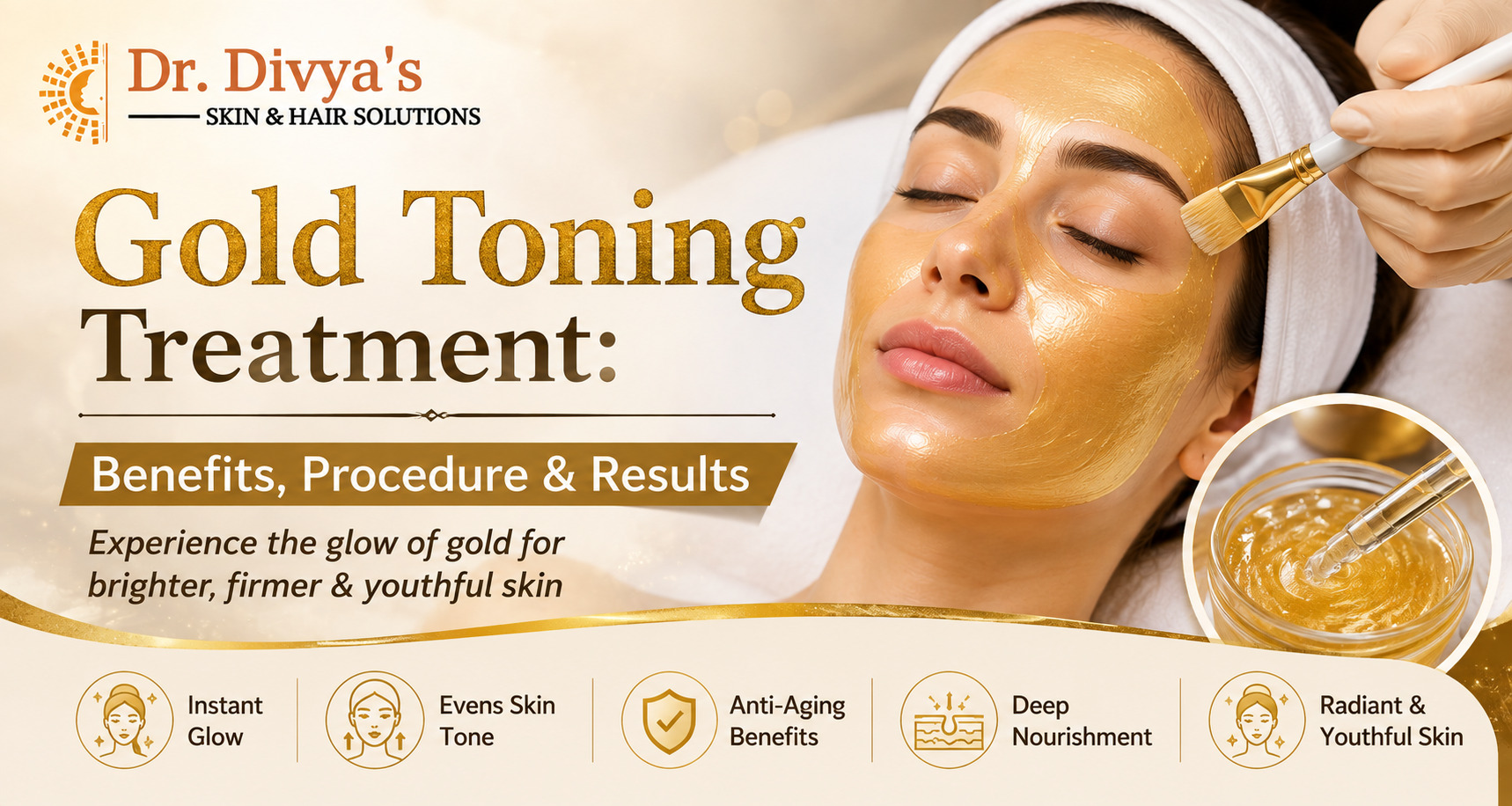
Gold toning treatment is a gentle skin brightening laser for sensitive and tanned skin. Learn benefits, procedure steps, results & FAQs. Book now in Bangalore.
Read More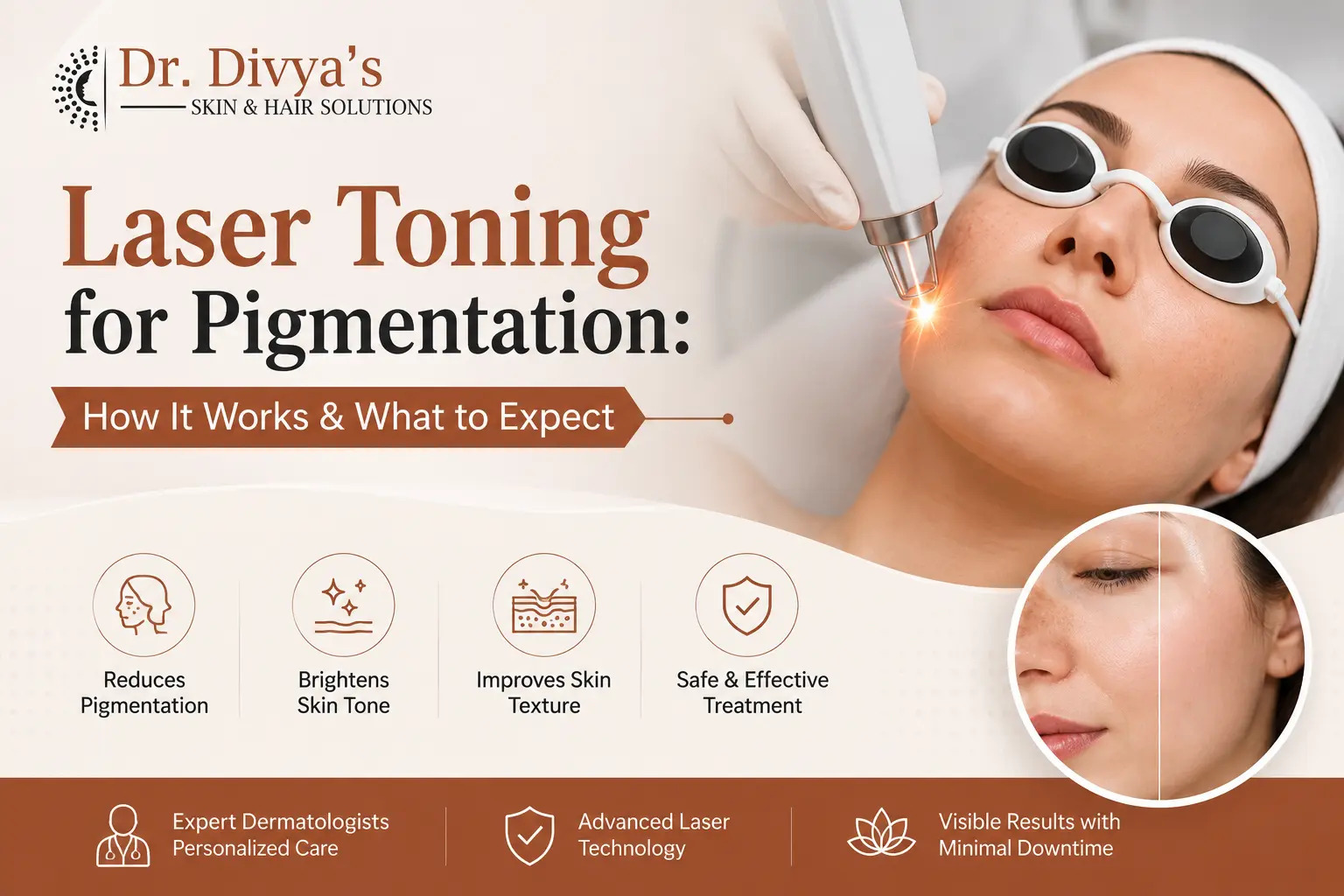
If dark patches or uneven skin tone have been bothering you, laser toning could be the answer. This post breaks down how it works, what it feels like, how many sessions you will need, and what to expect after each visit. No jargon. Just real talk.
Read More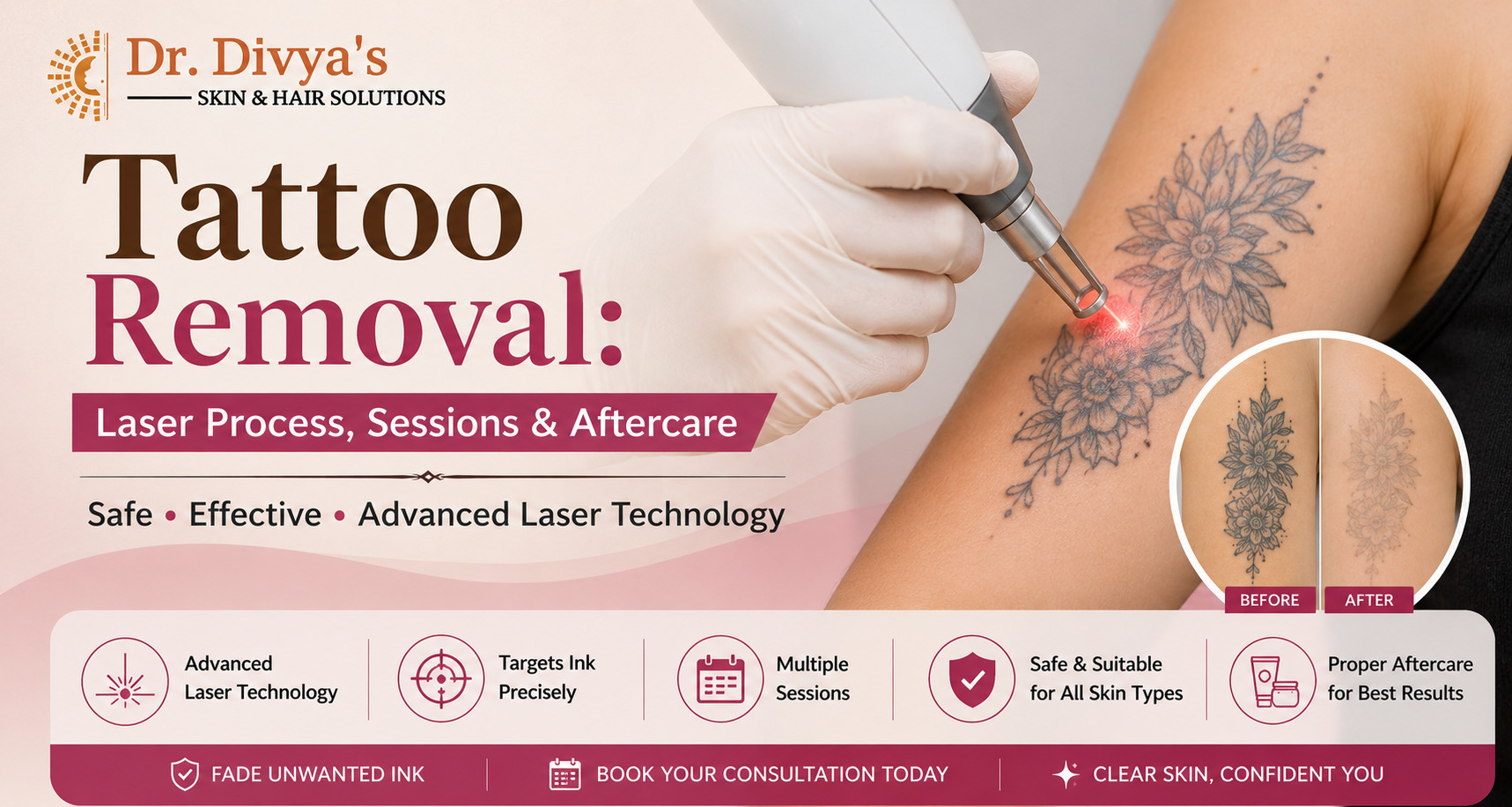
Laser tattoo removal breaks ink particles for natural elimination. Learn how it works, number of sessions needed, pain options, aftercare & risks.
Read More
This complete guide will answer all your questions. Whether you are looking for an instant glow facial treatment or want to understand the Hollywood peel cost and benefits, this article covers everything you need to know.
Read More
This article walks you through everything you need to know about skin pigmentation, what causes it, the different types, the best treatment options available in Bangalore, and how to prevent it.
Read More